

Talking to a Loved One With Cancer Without Saying the Wrong Thing
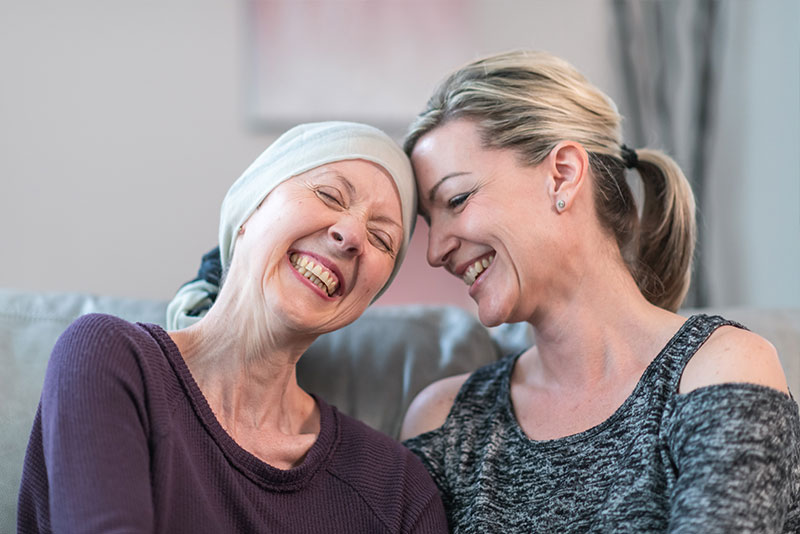

Talking to a loved one with cancer often means learning how to listen, pause, and simply show up.
Talking to a loved one with cancer can stop you in your tracks. You may rehearse conversations in your head before a visit or hesitate before picking up the phone, unsure how to begin. Do you name what’s happening right away, or steer around it? Is humor helpful or inappropriate? What if they cry, or you do?
Suddenly, conversations that once felt natural feel fragile. Every word seems loaded. You’re trying to be supportive without being intrusive, hopeful without minimizing reality, present without saying the wrong thing. It’s uncomfortable, emotional, and far more complicated than anyone prepares you for.
If you’re feeling unsure or awkward, take a deep breath, relax, and read through these tips from our caregiving experts.
- Let Listening Lead. When talking to a loved one with cancer, it’s tempting to fill silence with reassurance or advice. But often, the most helpful thing you can do is listen without trying to fix anything. That might mean sitting quietly while they sort through their thoughts. It might mean letting them vent frustration, fear, or anger without redirecting the conversation. You don’t need to have the perfect response. Being fully present, without interrupting or correcting, can bring more comfort than any carefully chosen words.
- Speak Honestly, Not Perfectly. When you’re unsure what to say, clichés can sneak in. Phrases meant to comfort can sometimes land flat or feel dismissive, even when your intentions are good. Conversations go better when you speak plainly and sincerely. It’s okay to admit you don’t have the right words. Saying something like, “I care about you and I’m here,” often means more than trying to sound encouraging or optimistic. Authenticity builds trust and keeps conversations grounded in reality.
- Let Them Set the Tone. Every cancer experience is different, and so is every person’s comfort level with talking about it. Some days, they may want to talk openly about treatments, side effects, or fears. Other days, they may want to focus on everyday life and feel normal for a while. Respecting those shifts matters. Follow their lead and adjust as their needs change, rather than forcing conversations they’re not ready for.
- Offer Help That’s Specific. General offers like “Let me know if you need anything” are well intentioned but often hard to act on. When you’re supporting someone with cancer, concrete help is easier to accept. Instead of leaving the door open, step through it with clear suggestions. Offer to pick up groceries, drive them to an appointment, prepare a meal, or handle an errand. These small, practical actions can remove stress from their day and show support without requiring them to ask.
- Pay Attention to Yourself Too. Having a loved one with cancer can be draining for you as well. You may feel pressure to stay positive, to be strong, or to hide your own fears. Over time, that can take a toll. Making space for your own rest, support, and emotional processing helps you stay steady and present. Caring for yourself doesn’t take away from the care you offer. It supports it.
- Remember That Presence Matters. There will be moments when you don’t know what to say at all. That’s okay. Show up. Sit together. Share a quiet moment. These things carry meaning even when words fall short. Talking to a loved one with cancer isn’t always about conversation. Sometimes it’s about being there in a way that feels safe.
We’re Here to Help
An in-home caregiver can be a tremendous help to someone with cancer, whether through preparing meals they’ll find palatable, running errands, or offering companionship and a listening ear. If someone you love is facing cancer in Napa, Novato, Santa Rosa, or anywhere else in the Bay Area, reach out to us at (866) 940-4343 to learn how in-home support can ease daily challenges and give your family more breathing room during a difficult season.







Leave a Reply