

The Hidden Signs of Pain You May Be Overlooking
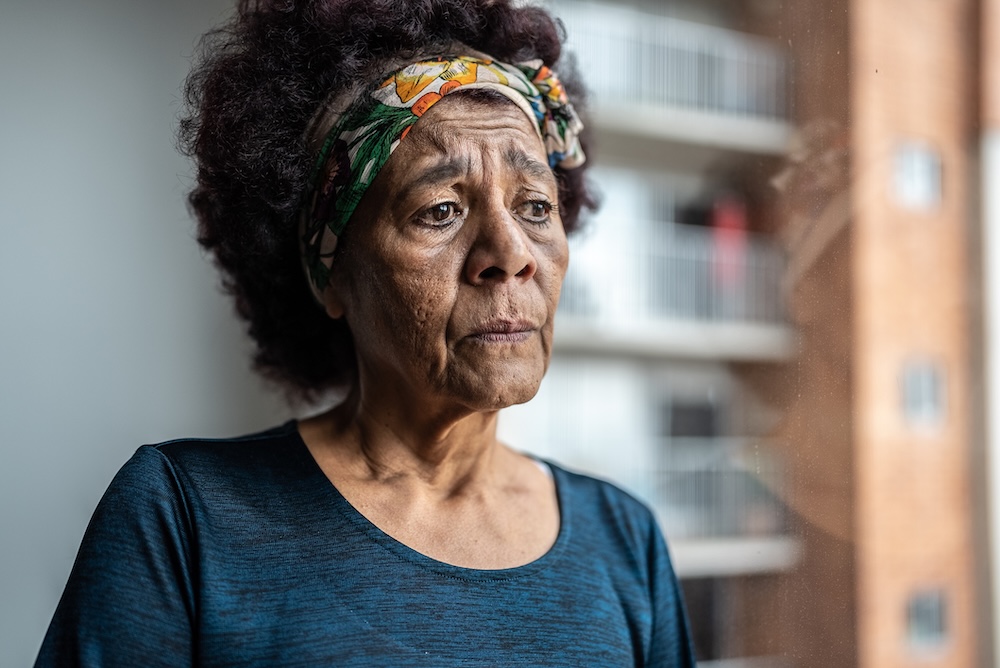
Recognizing pain isn’t always as simple as asking, “Where does it hurt?” Some older adults have difficulty describing what they’re feeling because of dementia or another cognitive condition. Others have spent years minimizing aches and pains because they don’t want to worry anyone or be seen as complaining. As a result, physical discomfort often goes unnoticed unless you know how to detect the hidden signs of pain.
Instead of talking about pain, an older loved one may begin acting differently. They may seem less interested in favorite activities, become more withdrawn, grow impatient over small frustrations, or experience changes in appetite or sleep. Although these behaviors are often blamed on aging, they may actually be clues that something is physically wrong.
Knowing how to recognize those clues can help your loved one get the attention they need sooner.
Notice Changes in Their Daily Routine
One of the most valuable things you can do is pay attention to what’s changed.
Has your loved one stopped taking their usual afternoon walk? Do they seem reluctant to join family dinners? Have they become quieter than normal or less interested in hobbies they’ve always enjoyed?
Behavior changes don’t always point to pain, but when they appear suddenly or continue for several days, they’re worth discussing with a healthcare provider.
Observe How They Move
Pain often reveals itself through movement long before someone says they’re uncomfortable.
Watch your loved one as they get out of bed, step into the shower, stand up from the couch, or walk through the house. If they hesitate, move more slowly, or seem to protect one side of their body, they may be trying to avoid discomfort without even realizing they’re doing it.
These subtle physical changes often provide important information.
Bring Helpful Information to the Appointment
It’s difficult to remember weeks’ worth of observations during a short doctor’s visit.
Keeping notes for a few days beforehand can make those appointments much more productive. Write down when you notice a change, what was happening beforehand, how long it lasted, and anything that seemed to improve or worsen the situation.
Even a handful of observations can help healthcare providers recognize patterns that might otherwise be overlooked.
Respond with Patience
When someone refuses to participate in an activity or seems unusually upset, it’s easy to assume they’re simply having a difficult day. Before jumping to that conclusion, consider whether pain could be part of the picture.
A calm, reassuring approach often works better than trying to persuade someone to continue. Acknowledging that they seem uncomfortable helps them feel heard, even if they aren’t able to explain exactly what’s bothering them.
Familiarity Brings Valuable Insight
The more time someone spends with an older adult, the easier it becomes to recognize subtle differences.
A caregiver who visits regularly learns what’s typical, making changes easier to spot. They may notice that getting dressed suddenly takes longer, a favorite walk has become shorter, or conversation isn’t as lively as it once was. Those observations can help identify potential concerns before they become more serious.
Helping You Recognize the Little Things
It’s not always easy to know when a behavior change deserves closer attention. Our caregivers spend enough time with each client to recognize when something seems different, and they communicate those observations so you have a clearer picture of how your loved one is doing.
If you’re looking for extra support at home for someone you love in Petaluma, San Rafael, Novato, or the surrounding areas, Hired Hands Homecare is just a phone call away. Contact us at (866) 940-4343 to schedule a free in-home consultation and learn how our services can help make everyday life a little easier.







Leave a Reply