

Are You Monitoring Elderly Parents More Than You Need To?
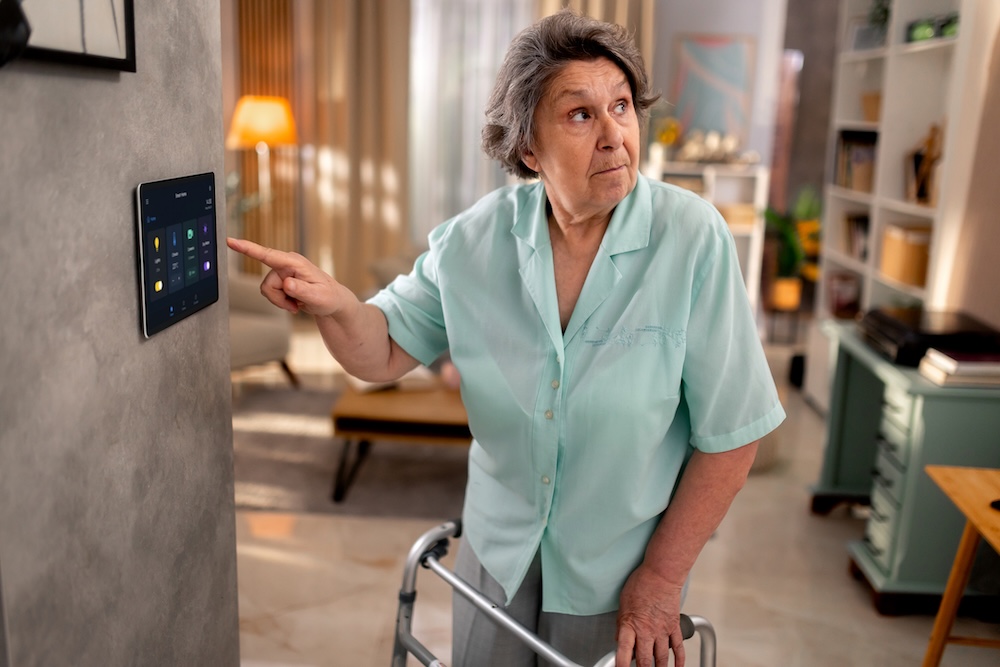
Privacy is easy to take for granted because so much of it consists of completely ordinary choices. You sleep later than usual, leave the house without announcing where you’re going, ignore your phone for an hour, eat lunch at 2:00, or spend the afternoon doing something nobody else knows about.
Most of us would hardly describe those things as acts of independence. Yet when someone else suddenly has access to a record of them, they can take on a different significance. That’s one of the complications of monitoring elderly parents with tech tools. Cameras, motion sensors, GPS trackers, medication devices, and door alerts can provide valuable reassurance, but they can also reveal details that once belonged only to the person living them.
The challenge isn’t choosing between safety and privacy. It’s deciding how much information you truly need to address a specific concern while leaving ordinary freedoms alone.
Look for the Gap You’re Trying to Fill
Before choosing a device, identify what worries you most. A general desire to “keep an eye on things” can quickly lead to monitoring far more than necessary, while a specific concern usually points toward a more targeted solution.
If you’re worried that a fall could go unnoticed, a wearable alert device or fall-detection system might address that risk. If missed medications are the concern, an automated dispenser could provide reminders and notifications. If your loved one has become disoriented outside the home, location technology may provide an important safeguard.
Matching the technology to the problem helps prevent convenience from becoming unnecessary surveillance. You don’t need to know everything that’s happening simply because a device makes that information available.
Agree on the Boundaries Beforehand
Whenever your loved one can participate in the decision, discuss not only which technology will be used but also how you’ll use the information it provides. Explain whether a device records continuously, what triggers notifications, who has access, and under what circumstances you’ll check the information.
The details matter. Your loved one may agree to location sharing for emergencies but object to someone casually checking where they are throughout the day. A sensor near an exterior door may be acceptable while a camera in a living area is not. Even the number of people with access can make a difference.
This conversation gives your loved one an opportunity to set reasonable limits and gives you clear expectations to follow. Monitoring works best when safety concerns don’t automatically override every preference for privacy.
Don’t Turn Every Change Into a Question
Once you have access to information, ordinary variations can suddenly attract your attention. Your loved one normally gets up at 7:30, but today the motion sensor didn’t detect activity until 9:00. The front door opened at an unexpected time. Lunch happened much later than usual.
Before calling, consider whether the change actually indicates a problem. A fall alert, missed medication, or potentially unsafe situation deserves attention, while sleeping late or changing plans may not.
You can also decide in advance which alerts require a response and who will handle them. If several relatives receive the same notifications, one harmless change in routine can otherwise lead to multiple phone calls asking for an explanation. Your loved one shouldn’t have to provide a running commentary on an ordinary day simply because technology makes it possible.
Pay Attention to Your Own Monitoring Habits
Monitoring technology is supposed to reduce uncertainty, but constant access can sometimes create new reasons to worry. If you find yourself repeatedly opening an app, studying harmless changes, or checking information without a particular reason, it may be time to reconsider how you’re using the tool.
Ask whether the information is helping you make useful decisions. You may discover that fewer notifications would accomplish the same purpose or that one type of monitoring isn’t providing anything valuable. As health, mobility, or memory changes, you can revisit those decisions and adjust the amount of oversight accordingly.
A useful monitoring arrangement isn’t necessarily the one that provides the most information. It’s the one that gives you enough information to respond when something genuinely matters without turning everyday life into a collection of data points.
Some Things Are Better Noticed in Person
Technology can tell you that someone entered the kitchen or opened the front door, but those facts provide only part of the picture. A device may miss a change in someone’s mood, subtle difficulty getting out of a chair, growing frustration with a task, or the simple fact that they could use some company.
Having a trusted person nearby can provide a different kind of reassurance. Hired Hands Homecare can provide highly personalized in-home care services while giving your loved one room to make choices, enjoy privacy, and continue living at home with greater independence.
If you’d like another source of support for someone you love in Novato, Santa Rosa, Petaluma, or the surrounding areas, contact us at (866) 940-4343. We can help take some of the uncertainty off your shoulders while respecting the personal space and autonomy your loved one deserves.





Leave a Reply