

What to Watch For the First Night Home After Surgery to Prevent a Readmission

By the time your older loved one settles into their own bed again the first night home after surgery, everyone is running on empty. The hospital stay may be over, but the physical and mental exhaustion often follows you home. Your older loved one is tired from days of tests, treatments, interrupted sleep, and the effort of simply getting through hospitalization. You’re tired from coordinating discharge plans, listening to instructions, filling prescriptions, arranging transportation, and trying to absorb an overwhelming amount of information in a short period of time.
It can be tempting to look around and think, “We made it home. Now recovery can begin.”
The truth is, recovery has already begun, and that first evening often reveals just how much support the healing process will require. What seemed manageable at the hospital can feel very different once you’re home, tired, and responsible for putting the plan into action.
Medications need to be taken correctly. Hydration becomes important. Pain levels need to be monitored. Simple activities may require more assistance than anyone expected. Even questions that felt straightforward during discharge can suddenly feel much less clear.
That’s why the first night home deserves more attention than many families realize. The hours between discharge and the following morning often set the tone for the days ahead. Small decisions made during that time can influence comfort, safety, confidence, and recovery itself.
Home Feels Familiar, but Recovery Changes Everything
One of the most unexpected parts of returning home after a hospitalization is realizing that the house hasn’t changed, but your older loved one’s abilities may have.
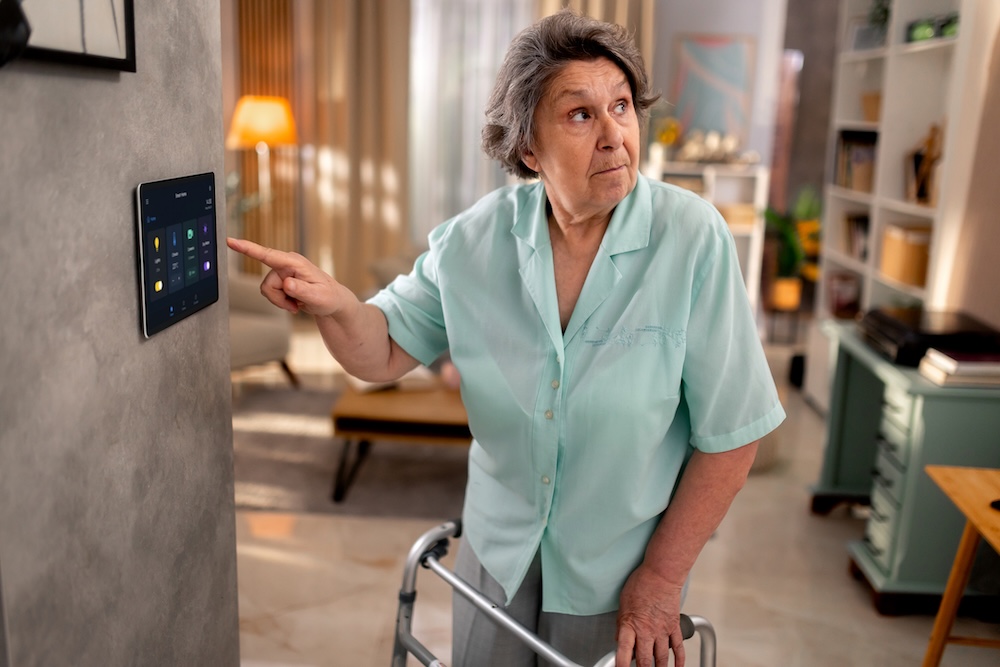
The hallway they’ve walked down thousands of times may suddenly feel longer. Getting in and out of a favorite chair may require more effort. Stairs that were once second nature may now demand careful concentration. Even settling comfortably into bed can take more energy than expected.
Hospital stays frequently leave older adults weaker than they were before admission. Endurance may be lower. Balance may be less reliable. Simple movements can feel surprisingly demanding. Those changes often become most apparent during the first evening home, when fatigue is at its highest.
That’s why safety should be a priority from the moment your older loved one walks through the door. Clear pathways, adequate lighting, mobility aids within easy reach, and a plan for overnight assistance can help reduce the risk of accidents and create a safer environment for recovery.
The goal is to make sure healing begins with confidence rather than unnecessary setbacks.
The Small Details Often Have the Biggest Impact
Many people assume recovery is defined by major milestones. The follow-up appointment. The removal of stitches. The day an older loved one starts feeling noticeably stronger. But the first night home often tells a different story.
Recovery is frequently shaped by smaller details, such as:
• Did your older loved one drink enough water throughout the day?
• Were medications taken correctly and on schedule?
• Was there enough energy to eat a nutritious meal?
• Is pain being managed effectively?
• Did exhaustion make it difficult to participate in activities that support healing?
None of these concerns may seem especially significant on their own. Together, however, they can have a tremendous impact on how recovery progresses over the next several days.
Paying attention to these seemingly minor details can help prevent larger challenges from developing later.
Nighttime Creates New Challenges
The first evening home can bring its own set of obstacles. Pain often feels more noticeable once the house becomes quiet. Fatigue can affect balance and mobility. Getting to the bathroom may require more assistance than anticipated. Sleep may be interrupted by discomfort, medication changes, or concerns about the recovery process itself.
It’s also common for worries to feel bigger at night.
Your older loved one may feel discouraged by temporary limitations or uncertain about how long recovery will take. You may find yourself questioning whether a symptom is normal or wondering if a healthcare provider should be called.
A little preparation can help ease these concerns. Keep medications organized, make sure pathways are well lit, have important phone numbers readily available, and discuss overnight needs before bedtime. These simple steps can help everyone feel more prepared and secure.
Give Recovery Time to Unfold
One of the most difficult parts of the first night home is accepting that recovery rarely happens as quickly as anyone would like.
Your older loved one may be eager to return to familiar routines. You may be hoping for immediate signs of improvement now that they’re back in their own environment. Unfortunately, healing doesn’t usually happen overnight.
Strength returns gradually. Energy builds slowly. Confidence grows one successful day at a time. Progress often comes through small improvements that accumulate over days and weeks rather than dramatic changes from one day to the next.
The first evening home should focus on creating the conditions that allow recovery to happen safely, comfortably, and consistently.
Help Recovery Start Strong
The hours between hospital discharge and the following morning may seem brief, but they can have a lasting impact on the recovery journey ahead. Taking time to prepare, observe, and provide the right level of support can help create a smoother transition and reduce unnecessary stress for everyone involved.
At Hired Hands Homecare, we help older adults recover safely and comfortably at home by providing the support needed during this critical period. If someone you love is returning home after a hospitalization in Napa, Novato, Petaluma, or anywhere else in the Bay Area, call (866) 940-4343 to learn how we can help make the first night home less stressful and support a safer, more successful recovery.






Leave a Reply