
Dementia

If Mom Has Alzheimer’s, Will You Get It Too?

When Mom has Alzheimer’s and you watch her struggling to remember your name or losing track of her daily routine, an unsettling thought might creep into your mind: “Will this happen to me, too?” It’s natural to struggle with the fear of facing the same challenges as a loved one with dementia. We invite you to take a deep breath and consider the following facts about, causes of, and risk factors for dementia and Alzheimer’s disease to help empower you to navigate these worries and find some peace of mind.
Genetic Factors and Family History
One of the first things to consider is the role of genetics. Alzheimer’s disease, the most common form of dementia, has a hereditary component. According to the National Institute on Aging (NIA), individuals with a family history of Alzheimer’s are at a higher risk … Read More »

How to Make Life Better for Someone With Alzheimer’s Using Routines and Reminders

When it comes to Alzheimer’s, it’s the little things that can make a big difference. Simple, thoughtful routines and reminders can transform life for the individual, bringing moments of calm and clarity. They help the person maintain their independence while creating a comforting rhythm that both of you can rely on. Here are some innovative strategies to make life better for someone with Alzheimer’s.
Consistent Daily Routines: A consistent daily routine provides a sense of stability and predictability, which is extremely comforting for someone with Alzheimer’s. Try to schedule activities like meals, bathing, and bedtime at the same times each day. This regularity helps to reinforce memory and create a calming environment. Keep the routine simple and avoid making too many changes, as this can be confusing and unsettling.
Visual Reminders: Visual reminders are effective tools for helping someone with Alzheimer’s … Read More »
Why Is My Parent With Dementia Hiding Things?
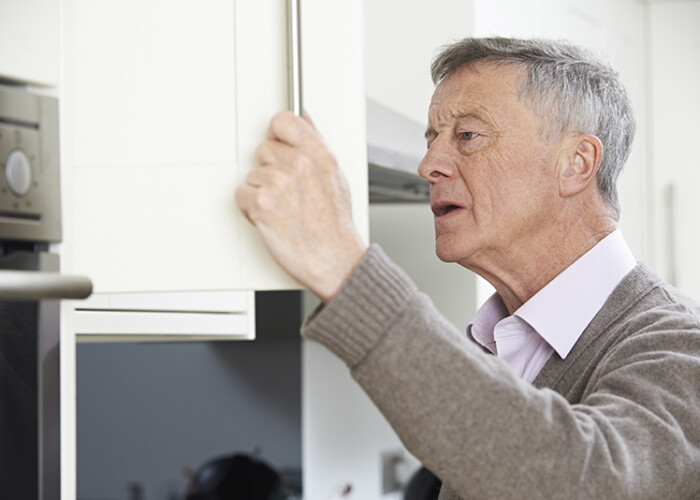
We’ve all experienced that moment of sheer panic when we can’t find our keys or wallet. It’s frustrating and disorienting. Now, picture this happening multiple times a day, coupled with an overwhelming sense of confusion and fear. This is a common experience for those with dementia. To make things even more unsettling, the person with dementia may often be hiding the objects themselves, typically in places you’re not likely to look.
So, why is your parent with dementia hiding things? There are several key issues that may be at play.
Memory loss and confusion: Hiding items can be a manifestation of the confusion and memory loss that accompany dementia. As memory fades, a person with dementia may no longer remember where they placed their belongings, leading them to hide items in what seems like a safe spot. This action can … Read More »
How to Talk About Home Care Without Creating Resistance

Did you ever notice how some phrases instantly make people defensive, even when the intention behind them is completely harmless? Telling someone they’re being “careful” sounds very different from calling them “paranoid.” Describing a person as “independent” creates a much warmer reaction than saying they “can’t handle things anymore.” The emotional meaning behind words matters, especially when figuring out how to talk about home care with your parent.
Conversations about home care are rarely just about errands, meals, or household tasks. For an older adult, certain words can stir up fears about aging, losing independence, or no longer being capable. And once those emotions surface, the conversation can quickly become tense. That’s why the language you choose can shape the entire discussion.
Words Like “Care” and “Caregiver” Can Feel Overwhelming
To you, the word “caregiver” may simply describe someone helpful … Read More »
Help at Home for Seniors Shouldn’t Wait for a Breaking Point

Decisions about home care are rarely straightforward. When your parent is still living independently and managing most daily routines, it can be difficult to know whether bringing in help at home for seniors is truly necessary or whether it somehow means “things are getting worse.”
That uncertainty causes a lot of people to wait longer than they probably need to. But home care is often most beneficial before daily challenges become overwhelming. Starting support earlier can help your parent remain safe, comfortable, and independent at home while also reducing the growing pressure you may be carrying yourself.
Part of the hesitation usually comes from misunderstandings about what home care actually looks like. If you’ve been unsure whether now is the right time, you may recognize some of these common concerns.
You May Assume Home Care Is Only for Serious … Read More »
Why Oversleeping in Dementia Happens and How to Support Better Days

If you’re noticing that a loved one with dementia is sleeping more during the day, you’re in good company. Oversleeping in dementia is extremely common, and it can leave you wondering what’s normal and what’s not. One day, they seem engaged and alert, and the next, they’re dozing off mid-morning and struggling to stay awake through the afternoon.
It’s important to recognize that oversleeping in dementia is often a natural part of how the condition progresses. Still, that doesn’t make it any easier to watch. When someone you care about is spending more time asleep than awake, it can feel like you’re losing opportunities for connection. The good news is that there are reasons behind these changes, and there are ways to gently support more balanced, wakeful time during the day.
Factors Influencing Increased Daytime Sleepiness
• Changes in … Read More »
The Lasting Impact of Senior Home Care Assistance in Assisted Living – Part 2

A move into a care community often brings a sense of reassurance.
There’s a plan in place. Support is available. And there’s comfort in knowing that help is always nearby when it’s needed.
But even with that foundation, you may begin to notice moments that feel less supported than others. Not because care is lacking, but because shared environments are designed to meet many needs at once.
In the first part of this series, we explored how to recognize when senior home care assistance in assisted living might be helpful. Now, let’s look at what happens next and how bringing in a home caregiver can enhance what’s already in place.
How Does a Home Caregiver Support Someone in a Facility?
A home caregiver works alongside the facility team, not in place of it.
The facility continues to provide its … Read More »
Subtle Signs That Tell You It’s Time for Extra Support in Assisted Living

You took the time to do this carefully.
You researched your options. You visited communities. You asked the right questions and weighed what felt best. In the end, you chose a care setting that seemed safe, supportive, and like the right fit.
And still, something doesn’t sit quite right.
That feeling can be difficult to explain. Everything may look fine on the surface. The environment is good, the staff is attentive, and care is being provided. But there can still be moments where it feels like something is missing.
That’s where adding extra support in assisted living can make a real difference.
In this first part of a two-part series, we’re taking a closer look at how home care can work alongside assisted living or skilled nursing to help fill in those gaps.
Is It Possible to Add Home … Read More »
How to Boost Independence for Someone With Dementia

Use these suggestions to boost independence for someone with dementia.
Everyday small victories can boost independence for someone with dementia—like tying their own shoes or deciding what they want to have for lunch. These moments may seem small to others, but for someone navigating memory loss and cognitive changes, they represent meaningful achievements.
When Should Parkinson’s Care Planning for an Aging Parent Begin?
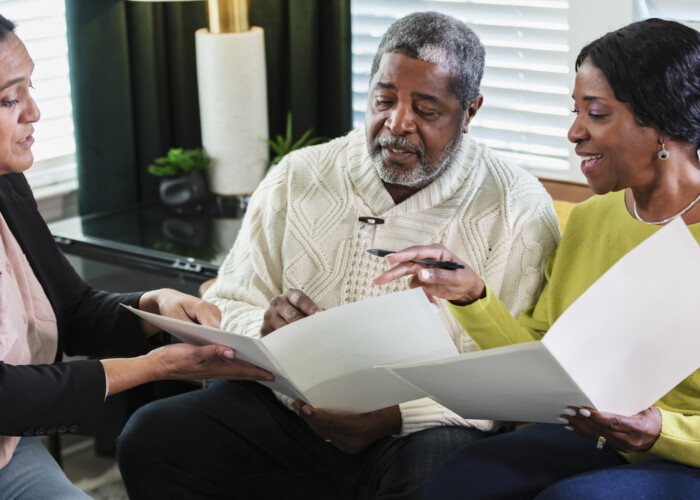
See why Parkinson’s care planning for an aging parent should begin before the condition progresses.
Learning that your parent has Parkinson’s can lead to a plethora of questions about the future. How will symptoms change over time? What challenges might appear later on? What type of support will help maintain independence and quality of life?