
Caregiver Isolation

Breaking Free From Caregiver Guilt Starts With One Small Step

Letting go of caregiver guilt opens the door to peace, balance, and renewed strength.
If you’ve ever said, “I’ll handle that once Mom’s settled,” or “There’s just no time for me right now,” you’re not alone. Nearly every family caregiver has been there — caught in the trap of self-sacrifice and caregiver guilt. It feels noble to put your needs last. After all, someone you love depends on you.

Supporting Family Caregivers Means Supporting the Entire Community

Supporting family caregivers builds stronger communities.
You’ve probably heard the saying, “It takes a village.” But what happens when the villagers—the caregivers—are exhausted? Supporting family caregivers is vitally important for the caregivers themselves, but also for the community as a whole.
We Hear You! Here’s the Family Caregiver Support You’re Telling Us You Need.
When caregivers were asked what they really needed, here’s what they had to say about family caregiver support.
It might be hard to imagine feeling invisible when you spend so much time with someone you love, but for many family caregivers, it’s a common theme. They describe their daily role as both rewarding and exhausting—a balancing act where their loved one’s needs come first and their own often fall last. Over time, that imbalance can take a toll.
What to Expect Emotionally When Your Caregiving Role Ends

Knowing what to expect emotionally when your caregiving role ends can help you heal, reflect, and begin to rediscover yourself.
When caregiving becomes your full-time reality, it can be hard to imagine life any other way. So, when that chapter comes to a close, the quiet that follows can feel overwhelming. If you’re struggling with what to expect emotionally when your caregiving role ends, you’re not alone. This transition brings a wide mix of feelings that can be confusing, unexpected, or even contradictory.
When Love Feels Heavy: How to Cope With Spousal Caregiver Resentment
Spousal caregiver resentment can leave you riddled with guilt, but you can overcome it with the right support.
You meant every word of those vows: through sickness and health, for better or worse. But no one warned you how exhausting it might feel to live those promises day in and day out as a caregiver. If you’re feeling overwhelmed, frustrated, or even resentful while caring for your spouse, take a deep breath: you’re not failing, you’re just human.
Could You Be Experiencing Caregiver PTSD?

Caregiver PTSD is, surprisingly, the most common form of post-traumatic stress disorder.
When you think of PTSD (post-traumatic stress disorder), your mind might conjure images of soldiers returning from battle or individuals who’ve faced extreme life-threatening events. While PTSD is certainly linked to those experiences, it isn’t confined to them. In fact, PTSD can develop after any deeply distressing event—including providing care for a family member. Surprising, isn’t it? Caregiver PTSD is a significant yet often overlooked issue, as the focus is typically placed on the person receiving care rather than the caregiver’s emotional and mental health.
How to Handle Loss of Recognition in Dementia
Loss of recognition in dementia is never easy to accept, but these tips will help.
You’ve been caring for your mom since her dementia diagnosis, doing your best to manage the ups and downs of the disease. One day, she looks at you with a blank stare or calls you by the name of someone else—a sibling, her spouse, or even her own parent. The sting of the loss of recognition in dementia is overwhelming. Should you correct her? Ignore it? Or embrace the new role she’s assigned you?
Recognition loss is one of dementia’s most heartbreaking effects. Watching someone you love struggle to connect the dots of who you are is never easy. However, how you respond in these moments can shape the interaction and bring peace to the person you love.
How to Respond to Recognition … Read More »
Healthy Ways to Manage Emotional Empathy for Caregivers
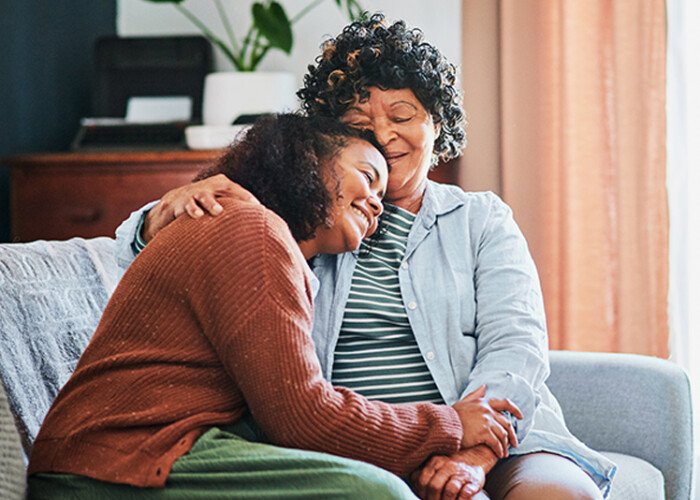
Balancing emotional empathy for caregivers can lead to healthier, more compassionate care for the person you love.
Empathy is, naturally, a crucial characteristic of effective caregiving. The ability to put yourself in another person’s shoes helps you to better meet their needs. However, there is a particular form of empathy you need to understand in order to guard your own health and wellness: emotional empathy for caregivers.
Emotional empathy takes caring to another level. Instead of simply understanding how another person is feeling, emotional empathy includes actually experiencing their feelings. For instance, if you’re someone who is highly emotionally empathetic, sitting beside a person who is crying will bring tears to your own eyes. If they’re in pain, you’ll also experience distress. You’re the type of person who will spring into action when someone has an immediate need.
Read More »
Feeling Bored as a Caregiver? Try These Ideas!

If you’re feeling bored as a caregiver, try these helpful suggestions.
It’s hard to admit but even harder to avoid. Feeling bored as a caregiver is a common response to spending so much time together, completing the same tasks, engaging in the exact same activities, and running out of intriguing conversation topics. This is not by any means associated with your feelings for the person in your care. In fact, they could be feeling just as tired of a stagnant routine.
How to Become a More Patient Caregiver

Find the tips you need here to learn how to become a more patient caregiver.
Does your blood pressure soar once you finally finish filling your cart with groceries, simply to find only one checkout lane open and a line of aggravated shoppers in front of you? Or when you arrive 5 minutes early for a doctor’s appointment, but have to wait 40 minutes to be seen? Many people just seem to exude an innate sense of patience, regardless of the circumstances. Wouldn’t you like to know their secret, particularly when it comes to knowing how to become a more patient caregiver for someone you love?