
Senior Safety

How to Make Staying Connected With Aging Parents Easier

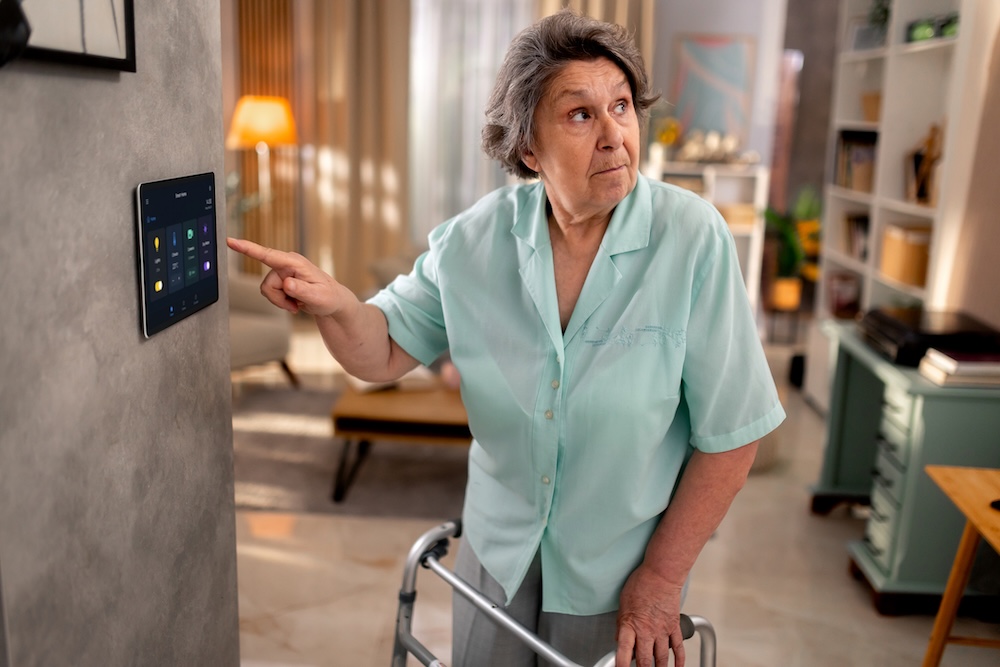
Perhaps you’ve watched someone struggle with a phone and said something like, “Just tap the little icon at the top.” Which little icon? The square one? The camera? The arrow? The three dots whose purpose changes depending on which screen you’re looking at? Instructions that seem obvious when you use technology every day can sound like directions to a hidden treasure when you don’t, which can have a profound effect on staying connected to aging parents digitally.
If an older loved one has trouble texting or video calling, more detailed explanations aren’t always the solution. Often, the best thing you can do is make the entire process require less remembering, searching, and troubleshooting.
A few simple changes, like these recommendations from our home care team, can make staying connected much easier.
Instead of explaining where to find people, put people … Read More »
Are You Monitoring Elderly Parents More Than You Need To?
Privacy is easy to take for granted because so much of it consists of completely ordinary choices. You sleep later than usual, leave the house without announcing where you’re going, ignore your phone for an hour, eat lunch at 2:00, or spend the afternoon doing something nobody else knows about.
Most of us would hardly describe those things as acts of independence. Yet when someone else suddenly has access to a record of them, they can take on a different significance. That’s one of the complications of monitoring elderly parents with tech tools. Cameras, motion sensors, GPS trackers, medication devices, and door alerts can provide valuable reassurance, but they can also reveal details that once belonged only to the person living them.
The challenge isn’t choosing between safety and privacy. It’s deciding how much information you truly need to … Read More »

Could You Be Missing These Lesser-Known Symptoms of Parkinson’s?
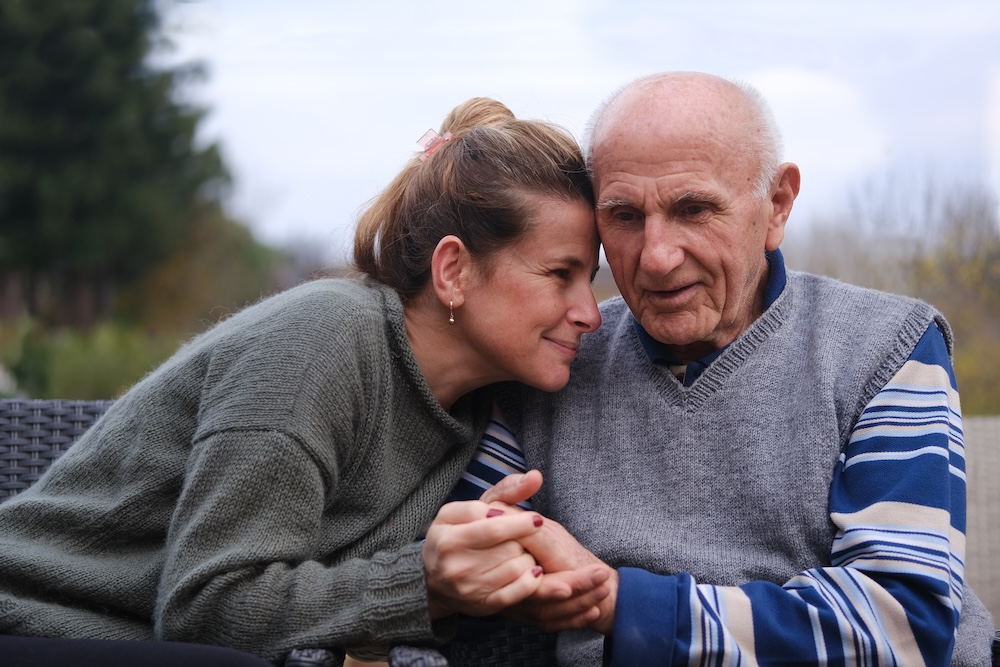
When most people think of Parkinson’s disease, tremors or difficulty moving likely come to mind first. But if you’re caring for a loved one with Parkinson’s, you may have noticed they’re dealing with so much more than just movement issues. Lesser-known symptoms of Parkinson’s, such as depression, sleep problems, and cognitive changes, can have just as much of an impact on daily life, but often go unnoticed or untreated. Understanding these symptoms is crucial to providing the best possible care for someone you love with Parkinson’s disease.
Mental Health and Cognitive Changes: Parkinson’s disease can affect the brain in ways that go far beyond movement, often causing mental health and cognitive issues. The person diagnosed may experience depression, anxiety, or apathy, which can make it hard for them to find joy in daily activities or even get motivated to move … Read More »
Steps You Can Take Today to Overcome Senior Nutrition Barriers

With the holidays approaching, you might be thinking about festive meals and family gatherings centered around favorite foods and traditions. But what about the rest of the year? Is everyone in your family—particularly older loved ones—getting proper nutrition on a regular basis? While holiday feasts might be an exception, many older adults quietly struggle with senior nutrition problems for a variety of reasons. The first step to helping older loved ones stay nourished and healthy year-round is learning about the challenges they may be facing.
Health Conditions and Medications
For many older adults, chronic health conditions and the medications used to treat them play a significant role in their struggle with malnutrition. Conditions such as heart disease, cancer, or digestive disorders can limit food intake or reduce the body’s ability to absorb essential nutrients. Additionally, medications commonly prescribed for … Read More »
Want to Reduce Chronic Pain? It Begins at Home.

Living with pain means accepting that some days will be better than others…and that finding ways to reduce chronic pain becomes paramount. While arthritis and other chronic conditions naturally have their ups and downs, everyday routines may also influence how much discomfort an older adult experiences.
The surprising part is that these pain triggers often have nothing to do with medication or medical treatment. Instead, they come from ordinary parts of daily life, including the furniture someone uses, the temperature inside the home, how well they sleep, and the way they move throughout the day.
Taking a closer look at these often-overlooked factors may help make each day a little more comfortable.
1. The chair you always choose.
It’s easy to understand why someone returns to the same favorite chair every day. It’s familiar, comfortable, and part of the … Read More »
Watch for These Common Comorbidities of COPD

Watching a loved one manage the daily challenges of COPD isn’t easy. You see them struggle with breathlessness and fatigue, and you want to do everything you can to help. What you might not realize is that COPD often brings along other health issues, known as comorbidities, which need to be addressed and managed in tandem with COPD. The best way to help someone with COPD is by learning about these potential comorbidities, and then supporting and advocating for the person to receive screenings and treatment as needed.
Here are some of the most common COPD comorbidities:
Cardiovascular Diseases. One of the most common comorbidities your family member might face is cardiovascular disease. People with COPD are at a higher risk of developing conditions such as heart failure, ischemic heart disease, and hypertension. The reasons for this increased risk include … Read More »
The Art of Decluttering Your Parents’ Home While They Can Still Join In

You’ve finally decided to bite the bullet and start working on downsizing and decluttering your parents’ home. As you begin sorting through the attic, you come across a box of old family photos, a stack of forgotten love letters, a collection of vintage toys. Each item holds a story, a piece of history, and a flood of memories.
Decluttering is so much more than just a housekeeping chore. It can be a memorable, emotionally charged occasion. It’s a task that should include your parents so that together, you can reminisce, rediscover treasures, and take a journey through time.
Why Declutter?
Aside from the sentimental, decluttering your parents’ home is important for several reasons:
Safety: Reducing clutter minimizes the risk of falls and injuries, making the home safer for your parents.
Organization: A decluttered space is easier to navigate and maintain, which … Read More »
How to Make Life Better for Someone With Alzheimer’s Using Routines and Reminders

When it comes to Alzheimer’s, it’s the little things that can make a big difference. Simple, thoughtful routines and reminders can transform life for the individual, bringing moments of calm and clarity. They help the person maintain their independence while creating a comforting rhythm that both of you can rely on. Here are some innovative strategies to make life better for someone with Alzheimer’s.
Consistent Daily Routines: A consistent daily routine provides a sense of stability and predictability, which is extremely comforting for someone with Alzheimer’s. Try to schedule activities like meals, bathing, and bedtime at the same times each day. This regularity helps to reinforce memory and create a calming environment. Keep the routine simple and avoid making too many changes, as this can be confusing and unsettling.
Visual Reminders: Visual reminders are effective tools for helping someone with Alzheimer’s … Read More »
What to Watch For the First Night Home After Surgery to Prevent a Readmission

By the time your older loved one settles into their own bed again the first night home after surgery, everyone is running on empty. The hospital stay may be over, but the physical and mental exhaustion often follows you home. Your older loved one is tired from days of tests, treatments, interrupted sleep, and the effort of simply getting through hospitalization. You’re tired from coordinating discharge plans, listening to instructions, filling prescriptions, arranging transportation, and trying to absorb an overwhelming amount of information in a short period of time.
It can be tempting to look around and think, “We made it home. Now recovery can begin.”
The truth is, recovery has already begun, and that first evening often reveals just how much support the healing process will require. What seemed manageable at the hospital can feel very different once … Read More »
Why So Many Rehospitalizations Happen During the First Week Home

The hospital stay is over. Discharge instructions have been reviewed. Everyone is eager to get back to familiar surroundings and begin the recovery process at home. It feels like an important step forward.
However, the days immediately following a hospital discharge are often more fragile than many people realize. A large percentage of rehospitalizations happen during the first week home, not because of a major medical crisis, but because recovery can be more complicated than expected.
In many cases, it isn’t one significant problem that leads to a return trip to the hospital. Instead, it’s a collection of smaller issues that gradually create larger challenges. A medication gets missed. A follow-up appointment gets postponed. A symptom is brushed off as part of the healing process. Everyday activities become more difficult than anticipated.
Understanding where recovery commonly goes off course … Read More »