
Senior Care

Steps to Boost Socialization for Introverted Seniors
Try these creative ideas to improve socialization for introverted seniors.
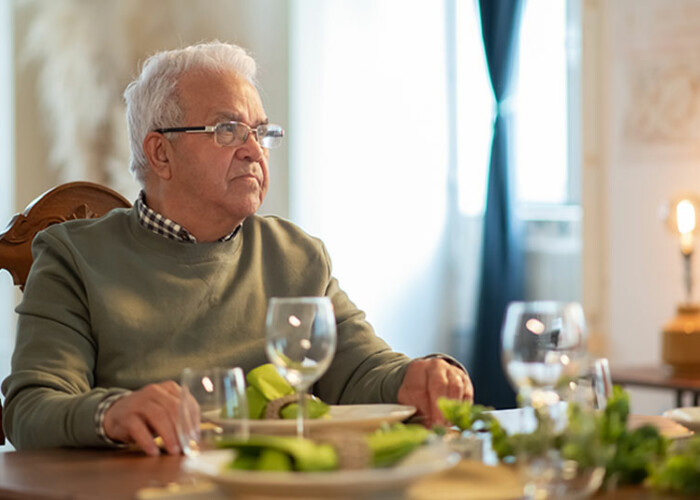
Prepare yourself…the holidays will be here before we know it! Although there are plenty of people who flourish on the hectic pace of celebrations and parties, there are others who balk at the thought of going outside of their comfort zone and into more intensive social obligations. It may simply come down to one integral difference: introversion vs. extroversion. And it is important to know which distinction the seniors in your life lean towards more. Socialization for introverted seniors is just as important as for extroverted seniors, and finding the right type of socialization to help them feel most comfortable is key.
What Is Parkinson’s Wellness Recovery and Is It Right for Someone I Love?

Learn about Parkinson’s Wellness Recovery to see if it might be helpful for someone you love.
For individuals living with Parkinson’s disease, the challenges of managing balance, mobility, and overall movement can be profound. As the disease progresses, these difficulties may increase, leading many to assume that less physical activity might be beneficial. However, this assumption is counter to what medical experts and extensive research suggest. In fact, increasing physical activity is strongly encouraged because of its numerous documented benefits in managing Parkinson’s symptoms. In fact, it’s believed to be on par with the adherence to prescribed medications for its role in effective disease management.

What to Do When a Parent Refuses Care

When a parent refuses care, these tips can help you come to a resolution.
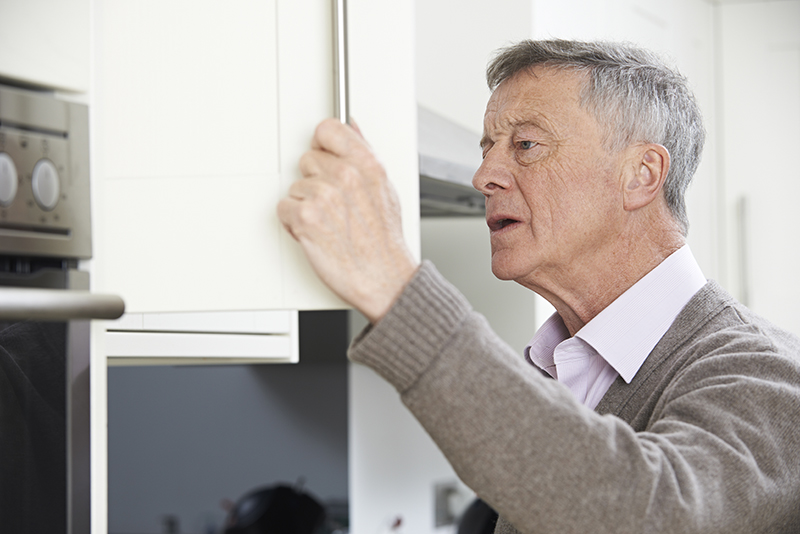
Let’s say you’re starting to notice some warning signs that cause you to worry about Dad’s ability to continue to take care of himself. Perhaps he’s struggling to maintain the home the way he always has. Or maybe he had a close call while driving that could have caused injury to himself or another person. Maybe he just seems more disoriented lately. Whatever the reason, you’ve decided to talk with him about home care services. The problem is, he refuses to even entertain the idea. What are you to do when a parent refuses care that they desperately need?
If you’re at an impasse on how to proceed, these ideas can be helpful.
Let him know you’re in this together. Digging in your heels and … Read More »
The Health Concerns That Could Be Causing Chronic Negativity in an Older Loved One

If you’re noticing chronic negativity in an older loved one, there may be a medical condition to blame.
We all have good days and bad days, and we are all entitled to a bit of crankiness or negative thinking every now and then. If you are noticing a pattern of chronic negativity in an older loved one, however, it is worthwhile to explore whether a health problem might be the culprit.
Listed below are several reasons for persistent negativity, and how you can help.
Pain. A recent study revealed that participants who were enduring chronic pain reported a rise in negative moods, including fatigue, anger, tension, depression, anxiety, and more. It is essential to discuss any of these mood changes with the physician, as these kinds of mood changes actually impact the effectiveness of pain management treatments.
Urinary tract infections. … Read More »
Do You Know When and How to Downsize for Seniors with Dementia?

Seniors with dementia can benefit from downsizing.
It’s clear that the family home is just too overwhelming for Mom and Dad to care for. A small home is for sale just around the corner from you that’s ideal: a beautiful flower garden in the front yard, a sunny, cheerful kitchen, and no stairs to navigate. Now it is time to begin the downsizing process. The only problem? Mom has dementia.
Any level of change can be very challenging for a senior with dementia. Leaving the familiarity of home and moving into a brand new one can enhance feelings of anxiety and agitation, but there are strategies to ease the transition.
Take your time. It can be your natural thought to make this process as quick as possible – like ripping off a band-aid. However, a much better approach in … Read More »
How to Be a Partner and Not a Parent as a Spousal Caregiver

We have tips to help you maintain your relationship while being a spousal caregiver.
Healthy, long-term relationships take commitment, sacrifice, and compromise. The happiest relationships are those where both parties selflessly take care of each other. This balance shifts, however, if the person you love experiences a significant health concern. And this shift can have a devastating effect on the dynamics of your relationship if you’re not vigilant, as you find yourself in the role of a spousal caregiver.
It’s natural to want to help your spouse in whatever way you can as their health needs change. However, it’s vital that you ensure you are not sacrificing your romantic connection in the process. Attempting to parent your partner can result in resentment – for both of you. To promote healthy boundaries, keep the following in mind:
• Find … Read More »
What People With Alzheimer’s Want You to Know

Improve communication with someone you love by learning what people with Alzheimer’s want you to know.
If you’ve ever wished you could look a senior with dementia in the eye and understand exactly what they’re thinking, we just might be able to help you with that! Communicating effectively with someone with dementia isn’t easy, especially as the disease progresses. Following are several statements provided by people with Alzheimer’s to give you some insight into what it feels like to live with the disease.
You haven’t lost me. A diagnosis of dementia does impact a person in many ways, but it doesn’t change the essence of who they are. “I love the same people and doing the same things I did before my diagnosis,” explains Dale Rivard. It’s essential to recognize that while memory and cognitive abilities may decline, the … Read More »
Understanding Cultural Competence in the Context of LGBTQ+ Senior Care

The highest quality LGBTQ+ senior care begins with understanding and implementing cultural competence practices.
As we strive to create compassionate and supportive environments for seniors, the concept of cultural competence takes center stage, particularly when addressing the unique needs of LGBTQ+ individuals in their later years. In the context of LGBTQ+ senior care, embracing cultural competence is essential to ensure that each person receives the respect and understanding they deserve as they navigate the intricacies of aging.
What Is Cultural Competence?
At its core, cultural competence refers to the ability of individuals or organizations to effectively interact with people from different cultures. It involves understanding, respecting, and responding to the needs and preferences of individuals from diverse backgrounds. In the context of LGBTQ+ seniors, cultural competence extends beyond a general understanding of aging to encompass the unique challenges, … Read More »
Navigating the Unique Challenges of Older Adults in the LGBTQ+ Community

Older adults in the LGBTQ+ community face a number of hurdles that we all need to understand.
When it comes to growing older, the experiences of seniors are as diverse as the colors of the rainbow. Within this spectrum, older adults in the LGBTQ+ community often face unique challenges that warrant our attention and understanding. As a leading home care provider in Novato and the surrounding areas, we know that fostering inclusivity is crucial for providing support to all members of our community. It begins by understanding some of the hurdles specific to the LGBTQ+ population that need to be overcome.
Isolation and Social Stigma:
One of the key challenges confronting LGBTQ+ seniors is the potential for isolation and the enduring social stigma that has persisted throughout their lives. Many individuals from this community grew up in an … Read More »
Feeling Overloaded With Caring for a Loved One? These Tips Can Help!

If you’re feeling overloaded with caring for a loved one, we have three simple steps you can take to ease the strain.
If today’s to-dos seem like a lot more than you are able to possibly squeeze into 24 short hours, you are not alone! Family caregivers frequently are feeling overloaded with caring for a loved one and the daily required tasks: Personal care and hygiene. Planning and preparing meals. Medical appointments. Planning activities that are purposeful and enjoyable for the older adult. Shopping and other errands. Housework and laundry. And all of this is on top of meeting the requirements of your own spouse, children, household, and if there is any time left over, yourself!
We invite you to hit the pause button for just a minute, take a deep breath, and put into action these tried-and-true … Read More »