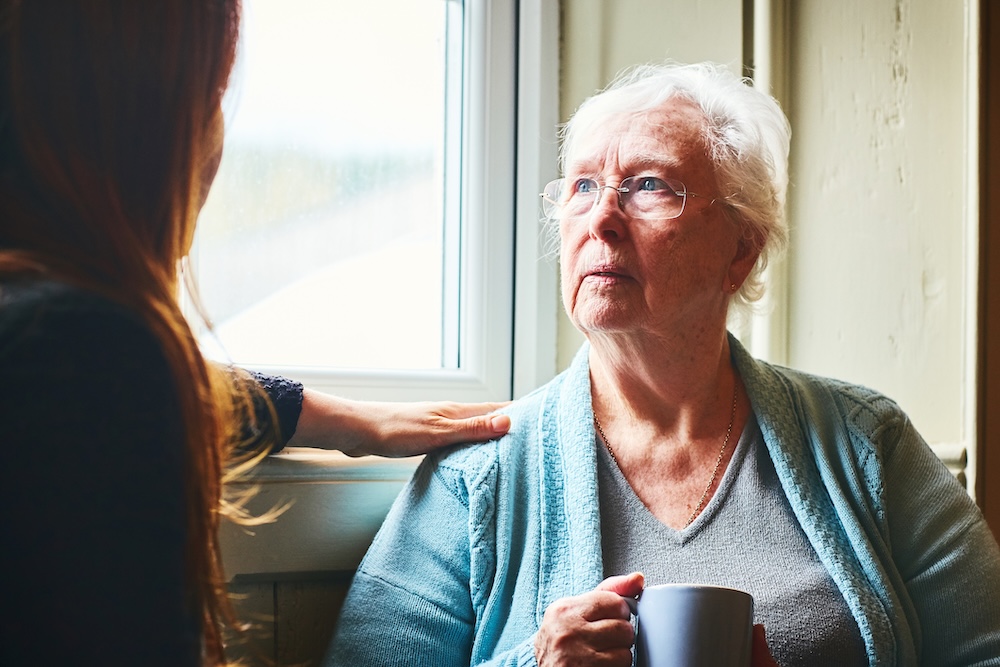

Depression in Seniors

Supporting Mental Health in Aging Parents and Breaking the Stigma
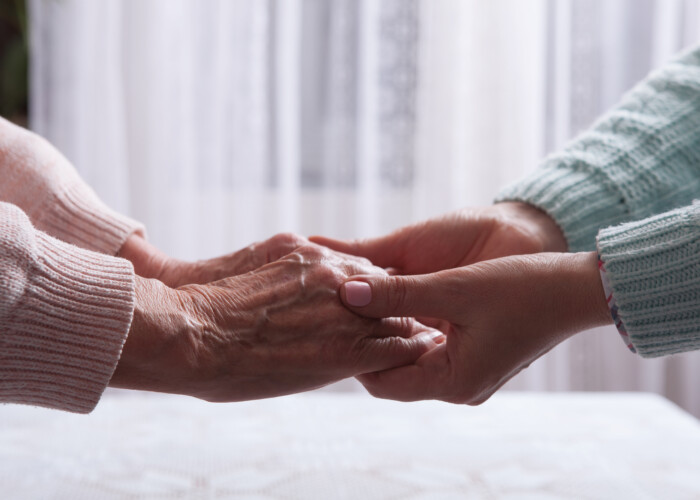
Supporting mental health in aging parents starts with recognizing the signs and addressing the stigma around mental health care.
Mental health is a critical aspect of well-being throughout life, and it becomes even more significant as our parents grow older. For many older adults, however, talking about mental health can be especially difficult due to ingrained stigmas and the values they were raised with. It’s important to understand why older loved ones might be hesitant to discuss mental health and to recognize the signs that they might be struggling. This knowledge can guide you in supporting mental health in aging parents to ensure they receive the support and care they need.

Feeling Bored as a Caregiver? Try These Ideas!

Identifying the signs of substance misuse in older adults is the first step towards getting them help.
It’s not unusual for Dad to enjoy a glass or two of wine with dinner, but lately, you’ve noticed that he’s gravitating towards stronger drinks more frequently, and earlier in the day. He might say it helps with sleep or eases the aches of arthritis, but is there more to be concerned about?
Getting to the Root of Restlessness in Dementia
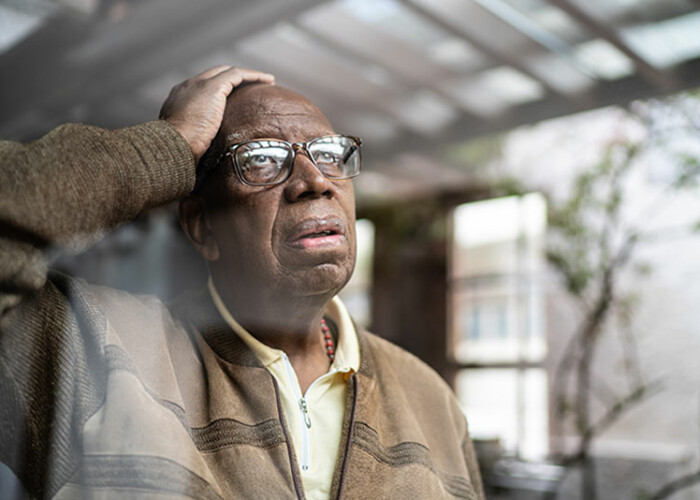
Uncover the reason behind restlessness in dementia in someone you love by answering these key questions.
Pacing. Fidgeting. Wandering. When you begin to notice these signs in someone you love with dementia, it’s time to take action before they escalate to agitation, aggression, or leaving the home. But figuring out why the person is feeling restless in dementia is sometimes half the battle.
Noticing Changes in a Senior’s Eating Behaviors? Here’s Why.
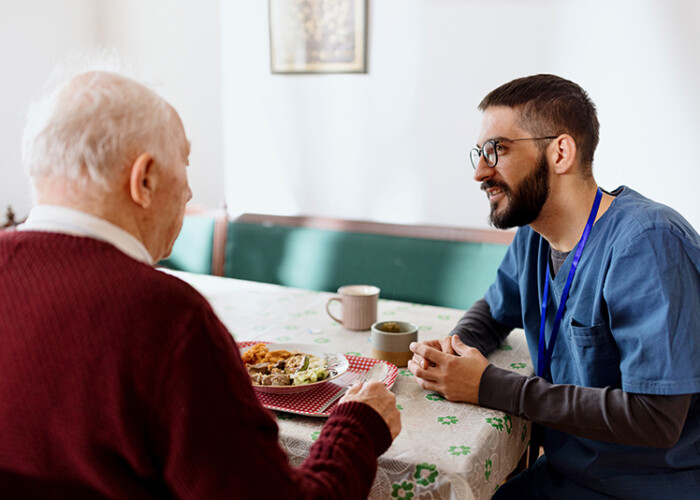
There are a number of reasons that could be causing changes in a senior’s eating behaviors.
Following the indulgence of the holiday season, many of us decide to cut back on consumption of calories. But when an older adult does not want to eat altogether, or is making unbalanced or unhealthy dietary choices, it’s important to look for the reason behind changes in a senior’s eating behaviors. This is a first and crucial step in promoting healthier eating habits.
Steps to Boost Socialization for Introverted Seniors
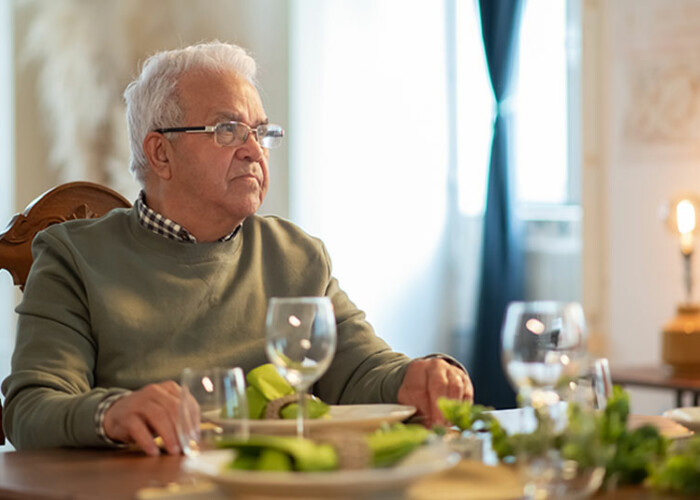
Try these creative ideas to improve socialization for introverted seniors.
Prepare yourself…the holidays will be here before we know it! Although there are plenty of people who flourish on the hectic pace of celebrations and parties, there are others who balk at the thought of going outside of their comfort zone and into more intensive social obligations. It may simply come down to one integral difference: introversion vs. extroversion. And it is important to know which distinction the seniors in your life lean towards more. Socialization for introverted seniors is just as important as for extroverted seniors, and finding the right type of socialization to help them feel most comfortable is key.
The Incredible Benefits of Hugs for Seniors

The benefits of hugs for seniors may surprise you!
Remember during the height of the pandemic, when social distancing was the norm and we needed to be satisfied with virtual visits? One of the most basic aspects of being a human – physical touch – was put aside in order to protect us all from harm.
What to Do When a Parent Refuses Care

When a parent refuses care, these tips can help you come to a resolution.
Let’s say you’re starting to notice some warning signs that cause you to worry about Dad’s ability to continue to take care of himself. Perhaps he’s struggling to maintain the home the way he always has. Or maybe he had a close call while driving that could have caused injury to himself or another person. Maybe he just seems more disoriented lately. Whatever the reason, you’ve decided to talk with him about home care services. The problem is, he refuses to even entertain the idea. What are you to do when a parent refuses care that they desperately need?
If you’re at an impasse on how to proceed, these ideas can be helpful.
Let him know you’re in this together. Digging in your heels and … Read More »
The Health Concerns That Could Be Causing Chronic Negativity in an Older Loved One
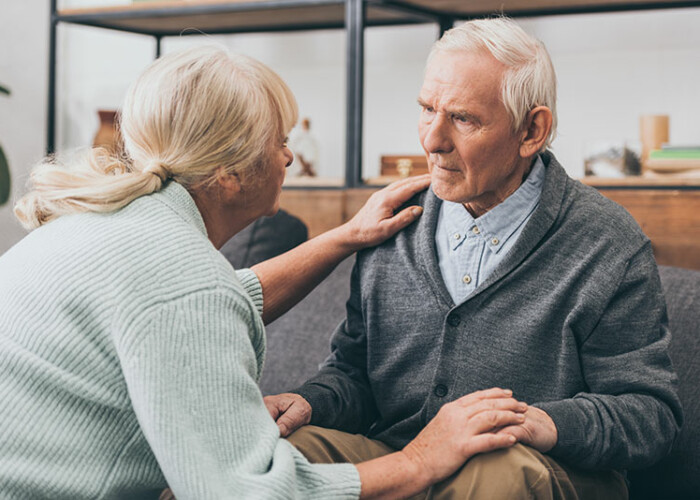
If you’re noticing chronic negativity in an older loved one, there may be a medical condition to blame.
We all have good days and bad days, and we are all entitled to a bit of crankiness or negative thinking every now and then. If you are noticing a pattern of chronic negativity in an older loved one, however, it is worthwhile to explore whether a health problem might be the culprit.
Listed below are several reasons for persistent negativity, and how you can help.
Pain. A recent study revealed that participants who were enduring chronic pain reported a rise in negative moods, including fatigue, anger, tension, depression, anxiety, and more. It is essential to discuss any of these mood changes with the physician, as these kinds of mood changes actually impact the effectiveness of pain management treatments.
Urinary tract infections. … Read More »
Broken Heart Syndrome: How to Help a Loved One Who Is Grieving
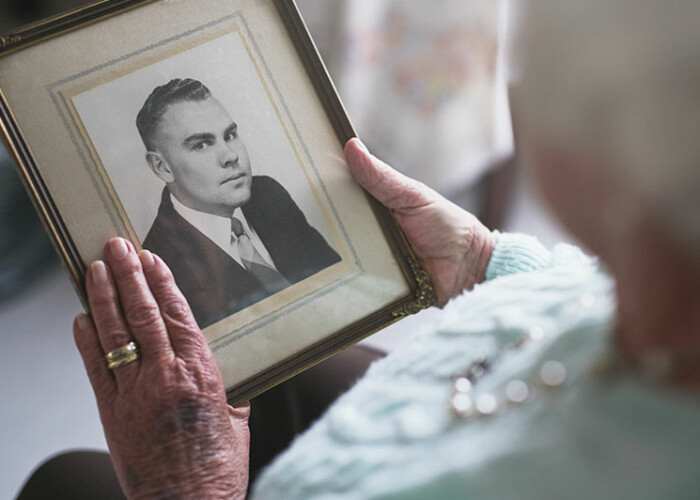
It’s not easy to know how to help a loved one who is grieving, but these tips are a great place to start.
In his documentary about grief, George Shelley uses an analogy of glitter. Toss a handful of glitter into the air, and it’s going to settle into all the cracks and crevices of the room, impossible to fully sweep up and remove. Those who have lost a loved one can relate. Yet in certain instances, grief could be so overwhelming that it could result in a serious and aptly named condition: broken heart syndrome.
Broken heart syndrome is a very real physical condition from the intense stress experienced in certain types of grief (such as one spouse losing the other after decades of marriage). The medical term is takotsubo cardiomyopathy, a temporary enlargement of the heart … Read More »
Navigating the Unique Challenges of Older Adults in the LGBTQ+ Community

Older adults in the LGBTQ+ community face a number of hurdles that we all need to understand.
When it comes to growing older, the experiences of seniors are as diverse as the colors of the rainbow. Within this spectrum, older adults in the LGBTQ+ community often face unique challenges that warrant our attention and understanding. As a leading home care provider in Novato and the surrounding areas, we know that fostering inclusivity is crucial for providing support to all members of our community. It begins by understanding some of the hurdles specific to the LGBTQ+ population that need to be overcome.
Isolation and Social Stigma:
One of the key challenges confronting LGBTQ+ seniors is the potential for isolation and the enduring social stigma that has persisted throughout their lives. Many individuals from this community grew up in an … Read More »