
Senior Health

Innovative Advances in Stroke Recovery Show Early Promise
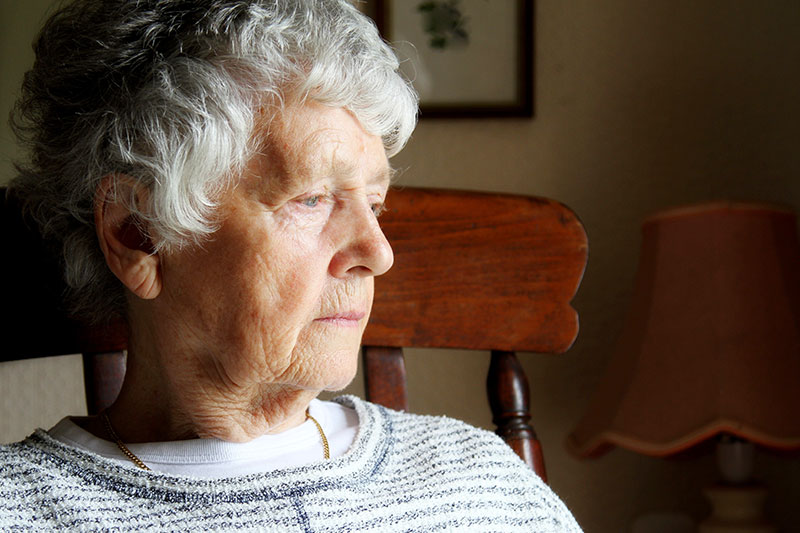
An innovative new stroke recovery therapy holds promise for restoring mobility.
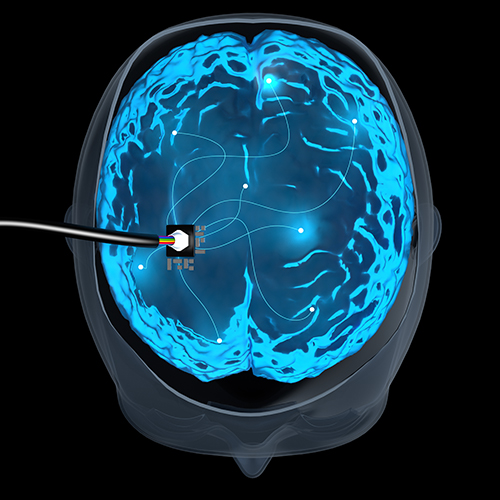
In an innovative, ongoing trial, deep-brain stimulation – more commonly used for Parkinson’s patients – has recently been tested on stroke survivors. Physicians are hoping that the end result associated with the deep-brain stimulation treatment – which involves implanting an electrode to stimulate a particular portion of the brain – will restore mobility in stroke recovery patients and place an end to the paralysis that so many often experience after a stroke, making the future of home care for stroke patients look much brighter!
To be able to comprehend how a stroke hinders normal brain activity, Laurie Ann Bonkoski, a speech therapist, compares a stroke to a home whose front door has unexpectedly become obstructed by a fallen tree. In her studies, she’s determined to sidestep that … Read More »

How Care Management Can Improve Chronic Disease Care

Care management is an essential component to effective chronic disease care.
Juggling the numerous medical appointments, procedures, tests, medications, lifestyle changes, and more is a way of life for the many seniors with chronic health needs. According to the Centers for Disease Control and Prevention, a full 85% of seniors have at least one chronic health care need, and 60% are diagnosed with two or more. The challenges may seem overwhelming. But there’s one essential component to effectively managing a chronic health condition: care management.
Diagnoses such as diabetes, COPD, heart disease, and more are life-changing. They impact a person’s mental as well as physical health, and it’s important to enlist help in meeting all care needs. Geriatric care managers, also known as aging life care specialists, are skilled professionals with expertise in meeting all of the diverse … Read More »
Need a Lifeline? Take This Survey to Determine if Care Management Services Are Needed

Care management services can help families navigate care options and services.
Hiring a professional care manager could potentially make your everyday life or the life of a loved one who needs care support easier; however, are care management services the best choice for your particular situation? When determining whether or not to hire a care manager, also referred to as an Aging Life Care Professional, consider the following questions:
Are your obligations or the adult’s care issues becoming more complex and numerous than can be comfortably managed alone?
Are other family needs and responsibilities getting in the way of providing the desired amount of supervision and care for the loved one?
Are care responsibilities interfering with the paid employment of family members?
Is the current family caregiver struggling to provide the required level of care and supervision due to health issues or … Read More »
Study Shines Light on Top Family Caregiving Worries: What if I Make a Mistake?

Learn how home care services can help alleviate family caregiving fears.
“Of course Dad can move in with me!”
Increasingly, more family members are making this commendable decision on a daily basis, signifying the start of lifestyle changes they can only fully gain an understanding of once immersed in them. And even though the rewards of family caregiving are immeasurable, it’s a role that is not without its struggles and challenges. That’s why it’s important to understand the top family caregiving worries that caregivers face.
It may seem natural to manage everyday activities for a loved one; but it’s not as instinctive as it seems on first impression. For example, helping a loved one into the shower or bath incorrectly may lead to a fall. Inadequate incontinence care could cause skin damage and infection. Non-compliance with a recommended … Read More »
Celebrating the Holidays with Seniors During a Pandemic

Think about the most perfect holiday season you can possibly imagine. While that image may vary a bit for each of us, it typically includes lights, gifts, good food, and traditions handed down through the generations. Yet what most definitely rings true for all of us is the happiness in spending time with the people we love. Sadly, the COVID-19 pandemic has caused us all to rethink how to safely enjoy the holidays with seniors during a pandemic. With a bit of ingenuity and creativity, however, it’s feasible to bridge the gap while making new memories with the seniors you love, even if you cannot be together with them in person this season.
Our aging care professionals have collected several suggestions to help you celebrate the holidays with seniors during a pandemic:
Adjust traditions. Think through the traditions that mean the … Read More »
What is the Best Way to Assist An Elderly Parent After a Hospital Stay?

Engaging home care services after a hospital stay is essential for a smoother transition.
As experts in home care in Rohnert Park and other California cities, we understand that recovering after a surgical procedure can take time, especially for older adults. Not only do aging bodies take longer to heal, but together with reduced mobility and a multitude of directions for medications, physical activities, follow-up appointments, and dietary restrictions, there is a lot to help keep tabs on after a hospitalization. So what is the best way to assist an elderly parent after a hospital stay?
Recent research conducted by IPC, The Hospitalist Company, revealed that nearly one out of every five discharged patients required assistance with at least one thing that had the possibility of affecting their recovery. Other similar studies have shown that bringing in professional … Read More »
Tips to Solve Inappropriate Alzheimer’s Behaviors

Inappropriate Alzheimer’s behaviors are common and can be managed compassionately.
Disbelief. Shame. Awkwardness. Discomfort. Many of these types of feelings can cycle through a family caregiver’s heart when a loved one with dementia displays disinhibited behaviors, such as:
Rude or tactless comments
Inappropriate sexual advances or remarks
Removal of clothing at improper times
And other socially unacceptable actions
The complicated changes that occur to the brain in Alzheimer’s disease may cause a complete turnaround in an older adult’s personality and behaviors, such as a formerly genteel grandma suddenly swearing like a sailor. For an individual who is confused, uncomfortable, disoriented, or has simply forgotten social skills and graces, these behaviors are actually quite common, so it’s crucial to learn how to specifically manage them should they arise in someone you love.
Hired Hands Homecare’s Alzheimer’s care experts suggest trying the following tactics … Read More »
Support for Family Caregivers Brings Peace of Mind

Support for family caregivers is vital for success.
“Obviously Dad can move in with me!”
More family caregivers are making this commendable choice, signifying the start of lifestyle changes they may only truly comprehend once in the middle of them. Even though the positive aspects of providing care for an older parent are immeasurable, they’re not without a number of struggles as well.
It may seem natural to take care of daily activities for a senior loved one; however, it’s not quite as instinctive as it seems initially. For example, helping a senior in the shower or bath the wrong way can result in a fall. Poor incontinence care can cause skin damage and infection. Noncompliance with a recommended nutritional plan can bring about a wide array of health complications.
It’s no wonder that in a … Read More »
Dehydration in Seniors: Warning Signs & Tips to Help Stay Hydrated

Dehydration in seniors is common and can lead to health issues if not addressed.
Did you realize…approximately 50% of all older adults are chronically under-hydrated, according to a recent study conducted at UCLA? Not only that, but seniors over age 65 account for the highest category of hospital admissions because of dehydration.
Dehydration in seniors can sneak up quickly because they often have a decreased sensation of thirst, can experience medication side effects that can cause hydration problems, or they mistakenly believe that drinking less will reduce incontinence issues.
Senior dehydration is extremely dangerous, increasing the risk for health issues such as:
UTIs
Kidney stones and/or failure
Blood clots
Seizures
Hypovolemic shock
And many others
Dehydration is generally detected by the following symptoms:
Early stages:
Decreased amount/darker-colored urine
Dry mouth
Feelings of weakness, dizziness, and/or exhaustion
Muscle cramps
Irritation
Advanced stages:
Confusion and disorientation, such as problems with walking
Low … Read More »
Tips for Effectively Managing Medical Issues for Seniors

Managing medical issues for seniors requires effective communication.
Out of all the many responsibilities a family caregiver faces, possibly one of the most difficult is managing medical issues. The National Council on Aging estimates that around ¾ of all seniors are identified as having at least two chronic illnesses, and they are seeing an average of four healthcare specialists.
As your senior parent’s advocate, it’s crucial to know how to communicate effectively with those from the older adult’s medical team, and also to arrive at appointments fully prepared to address any and all issues. The following four questions are a good starting point:
Are all of these prescription drugs required? With most aging parents taking multiple medications, you will want to keep an in-depth list and examine regularly with the doctor and also the pharmacist, both of whom … Read More »