
Search Results for "independence"

Let’s Talk About Dementia – In a Healthy Way
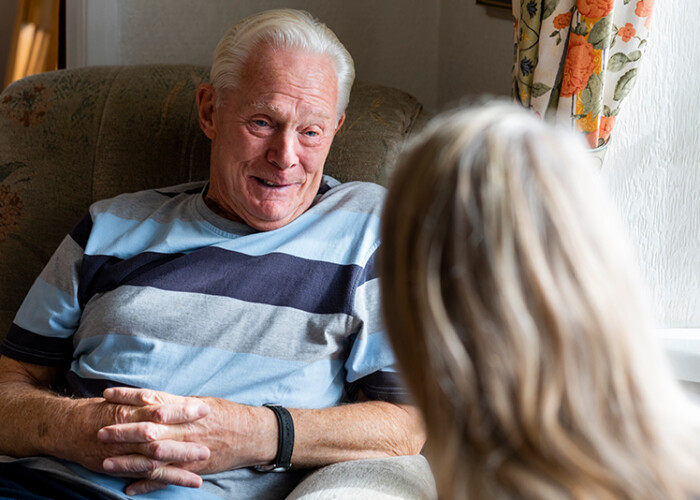
Improv is one creative dementia care strategy that can be both effective and fun.
Receiving a diagnosis of dementia is never easy. It kicks off an emotional rollercoaster of fear, anxiety, uncertainty, grief, and more, all of which are heightened if the diagnosis is given starkly, without empathy or compassion. There are steps doctors can (and should) take when delivering a dementia diagnosis to ease the initial impact, empowering and equipping the individual and family with knowledge and support.

Are Your Parents Refusing Help? Try These Tips.

If you’re struggling with parents refusing help when you know it’s needed, try these tips.
It’s a challenging scenario many family caregivers face: your aging parents, who once cared for you, now resist the help they so desperately need. It’s a delicate balance between respecting their freedom and ensuring their safety and well-being. If you find yourself with parents refusing help at home, you’re not alone! We understand the range of emotions that go along with accepting the need for care, and have some tips to help you and your parents get on the same page.
Life Lessons Learned by Having a Parent With Parkinson’s

Having a parent with Parkinson’s means learning to adapt and grow in ways you may have never expected.
Having a parent with Parkinson’s disease changes life in ways you never quite expect. The diagnosis changes routines, relationships, and even the way you think about time. At first, it may feel overwhelming. There are so many questions and fears about what the future will look like. Yet, alongside those challenges come unexpected lessons. People who have been there often find themselves developing greater strength, resilience, and compassion than they ever thought possible.
Here’s What You Should Never Say to Someone With Dementia

Learn what you should never say to someone with dementia, and what to say instead.
Have you ever said something you wish you hadn’t said? Maybe your intention was to compliment a friend on her new haircut, but you came across sounding like you were criticizing her previous hairstyle. Choosing our words carefully is always important, but even more so when speaking with someone with dementia. The words we say and the way we say them can significantly impact the person’s emotional well-being and quality of life. And it’s just as important to know what you should never say to someone with dementia.
How to Conquer the Fear of Falling in Older Adults

Don’t let the fear of falling in older adults hold back someone you love from living life to the fullest!
Aging brings wisdom, perspective, and cherished memories—but it can also bring new worries. One of the most common concerns is the fear of falling in older adults. While understandable, this fear can quietly steal independence, limit activity, and lead to feelings of isolation. In fact, many people avoid walking outdoors, exercising, or even socializing because they worry about losing their balance.
What Are Catastrophic Reactions in Alzheimer’s, and How Should You Handle Them?
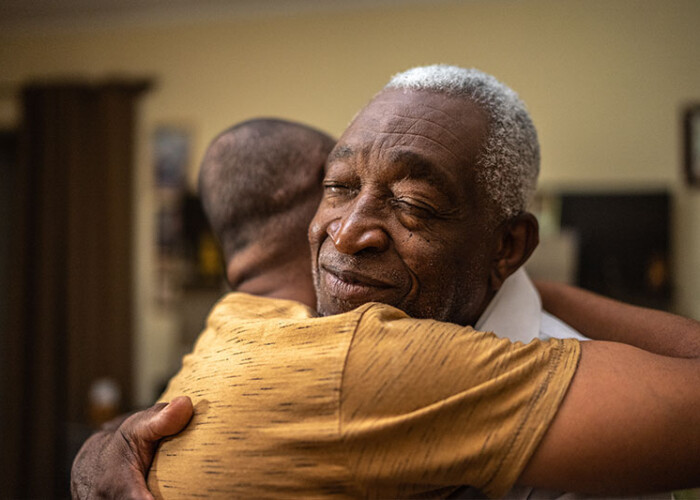
Learn about catastrophic reactions in Alzheimer’s, including what to watch for, how to prevent them, and how to manage them if they occur.
Caring for someone with Alzheimer’s is a little like walking through shifting sands. Just when you think you’ve found steady ground, the landscape changes. One of the most startling effects you may encounter is what’s known as catastrophic reactions in Alzheimer’s disease—a sudden, overwhelming emotional outburst that can erupt from something as simple as a routine question or a minor change in environment.
When Is 24-Hour Care for Dementia the Right Choice?
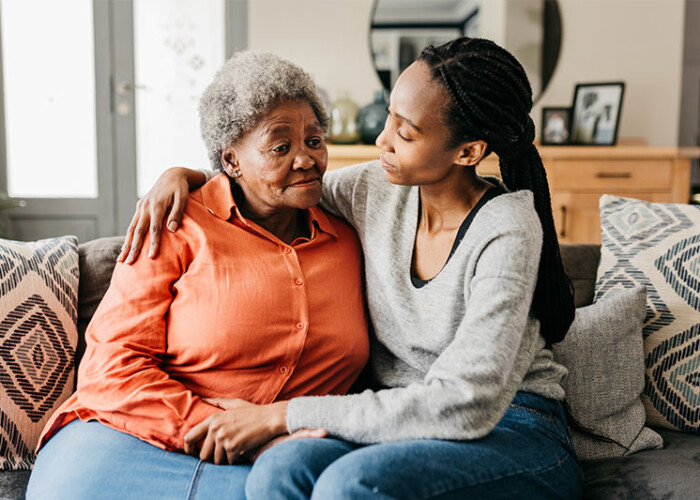
Knowing when to seek 24-hour care for dementia can make a world of difference in safety, health, and peace of mind.
Dementia doesn’t follow a neat timeline. Some days feel manageable. Others feel overwhelming. As the condition progresses, changes in behavior, cognition, and physical health can leave you wondering if the current level of support is enough. Understanding when 24-hour care for dementia becomes necessary can help you make informed decisions that protect not only the safety and health of the person you love, but your own well-being as a caregiver.
The Unexpected Challenges of Supporting an Older Adult Through Grief

Loss is never easy, but it tends to feel even heavier with age. After a lifetime of building meaningful relationships, each goodbye can feel like a piece of the heart breaking away. If you’re supporting an older adult through grief, you may feel unsure of what to say or do, but your presence and empathy can make all the difference.
Exercise Tips for Older Adults You’ll Actually Want to Try

These exercise tips for older adults are fun, doable and perfect for boosting health and connection.
It doesn’t take a major life event to spark a desire for change. Sometimes it’s the little things: a restless night, feeling sluggish, or hearing a loved one say, “I just don’t feel like myself lately.” If that sounds familiar, the solution may be simpler than expected. These exercise tips for older adults offer small, realistic ways to get moving again, and feel better in body, mind, and mood.
How Dementia-Friendly Signs Help Bring the Familiar Back Home
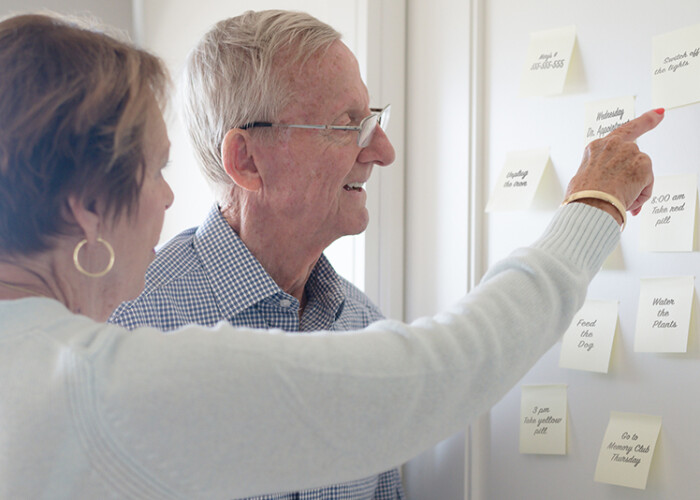
Try these dementia-friendly signs to help someone you love minimize confusion at home.
If you’ve ever walked into a room and forgotten why you’re there, you’ve had a small taste of what living with dementia can feel like. Now imagine that same confusion magnified, only it’s constant, and it’s happening inside your own home. Suddenly, the most familiar place in the world becomes full of uncertainty. One helpful solution is dementia-friendly signs to help transform a frustrating maze into a space that feels safe, supportive, and familiar again.