

We say YEAHHHHA for Mikayla!
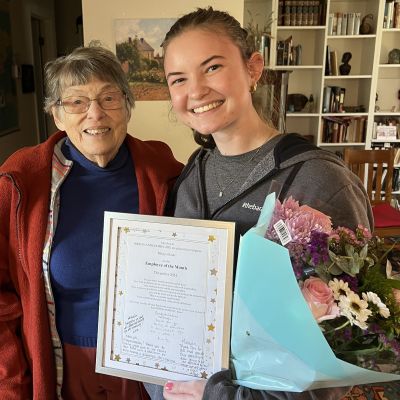
Please join us in congratulating Mikayla, as our most recent Caregiver of the Month!
Mikayla is a highly skilled Caregiver and is on both of our specialized Dementia and Hospice teams. She has a history of knocking it out of the park everywhere she goes, and is one of our absolute most requested caregivers by our clients. Mikayla is joyful, attentive, and is always willing to help whenever she can.
Hired Hands Homecare has had the absolute pleasure of working with Mikayla since 2022. We recently surprised Mikayla on shift with our client, Elspeth. Mikayla was overjoyed, and Elspeth responded “I am not surprised that Mikayla won the award. She is absolutely wonderful!”. Both Mikayla and Elspeth are honored with this award 😊, and are looking forward having their wonderful picture on our famous Wall of Fame.
Everyone at Hired Hands is grateful … Read More »

What Is Senior Social Frailty and Who Is at Risk?

It’s easy for older adults to slip into spending too much time alone, which can lead to senior social frailty.
Not so long ago, we were all taking precautions to protect ourselves and loved ones from the spread of COVID-19. For older adults, who were especially vulnerable, this meant isolating at home and avoiding social interactions. While these measures were necessary for safety, they created a new norm of solitary living for many seniors—one that has persisted long after the height of the pandemic and is causing a condition known as senior social frailty.
Could You Be Experiencing Caregiver PTSD?
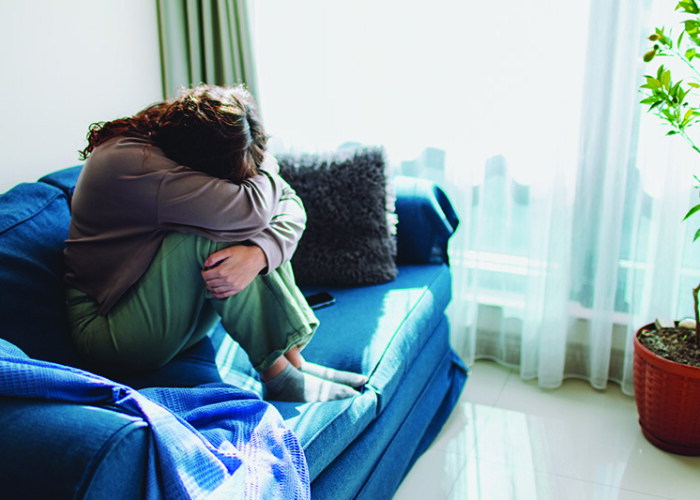
Caregiver PTSD is, surprisingly, the most common form of post-traumatic stress disorder.
When you think of PTSD (post-traumatic stress disorder), your mind might conjure images of soldiers returning from battle or individuals who’ve faced extreme life-threatening events. While PTSD is certainly linked to those experiences, it isn’t confined to them. In fact, PTSD can develop after any deeply distressing event—including providing care for a family member. Surprising, isn’t it? Caregiver PTSD is a significant yet often overlooked issue, as the focus is typically placed on the person receiving care rather than the caregiver’s emotional and mental health.
Yes, There’s Help for Chronic Fatigue in Older Adults
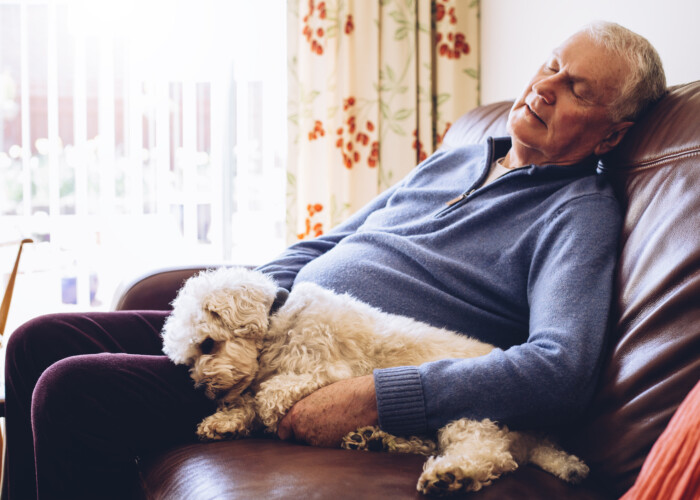
Learn how to recognize and better manage chronic fatigue in older adults.
Some mornings, the snooze button is your best friend—offering a few extra precious moments of rest. But for many older adults, fatigue is more than just morning grogginess; it’s an all-encompassing exhaustion that seeps into every part of their day. As one chronic fatigue sufferer vividly described, “I feel like my battery is permanently drained. It’s as if I’m a dish rag that’s been wrung out and left with nothing to give.”
Recognizing and Resolving Senior Anxiety
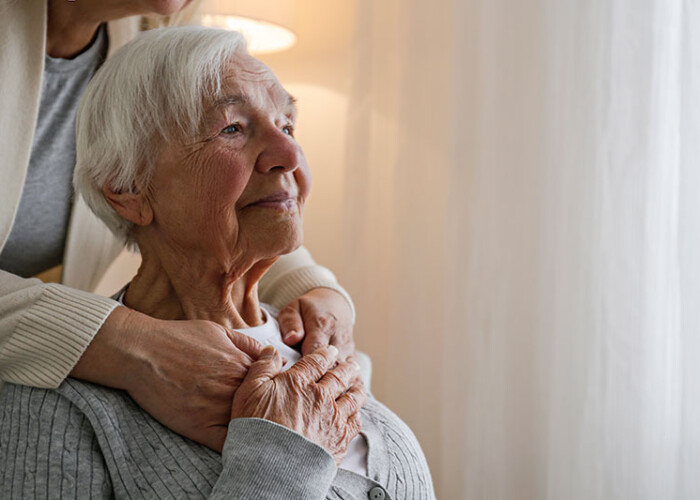
If you suspect senior anxiety in someone you love, help is available.
Does an older adult you care about seem more withdrawn, restless, or forgetful than usual? While these changes may appear to be part of aging, they might actually indicate something deeper: senior anxiety.
Anxiety is more than just occasional worry or stress. In older adults, it can manifest in subtle or unexpected ways, including:
Persistent, obsessive thoughts
Recurrent nightmares that disrupt sleep
Repetitive behaviors, like checking and re-checking that appliances are off
Physical symptoms, such as sweating, dizziness, or a racing heart
Overreactions to otherwise manageable stressors
What Contributes to Anxiety in Aging Adults?
Aging brings unique challenges that may contribute to anxiety, including:
Side effects from medications
Chronic illnesses or reduced mobility
Grieving the loss of a loved one
Concerns about declining independence or financial stability
Unresolved childhood trauma
These factors, combined with changes in … Read More »
Six Rs to Improve Dementia Care
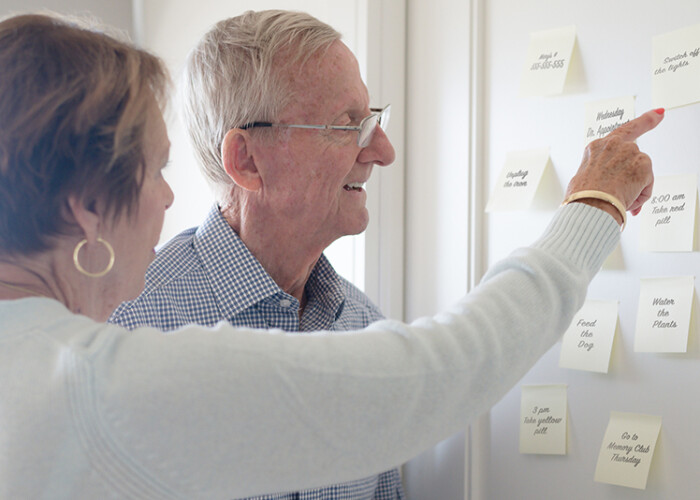
Use these six essential tips to improve dementia care for someone you love.
Caring for someone with dementia is one of the most meaningful yet challenging roles you can take on. It’s important to remind yourself regularly: You are doing your best. You are making a difference. A little self-affirmation goes a long way, but there’s more to consider when caregiving gets tough. Enter the Six Rs of dementia care—a framework designed to help improve dementia care and better manage the complexities of the disease.
What Are the Six Rs of Dementia Care?
The Six Rs offer a practical, compassionate approach to navigating difficult dementia-related behaviors. By following these steps, you can create a more peaceful, supportive environment:
Reassure
Dementia can make familiar routines and environments suddenly feel intimidating or strange. Loud noises, changes in lighting, unfamiliar visitors, or even … Read More »
Thank you Dr. King.

“We need leaders not in love money, but in love with justice. Not in love publicity, but in love with humanity.” ~ Dr. Martin Luther King, Jr.
On this important day, we pay respect to a most amazing man, and say thanks for his tireless fight for equality and human rights.
All of us at Hired Hands would like to celebrate our diverse group of care professionals. It is an absolute honor to work alongside such amazing people from so many cultures, races, & orientation on a daily basis.
With Respect,
~ The Hired Hands Homecare Team
The Checklist You Need After the Death of a Loved One
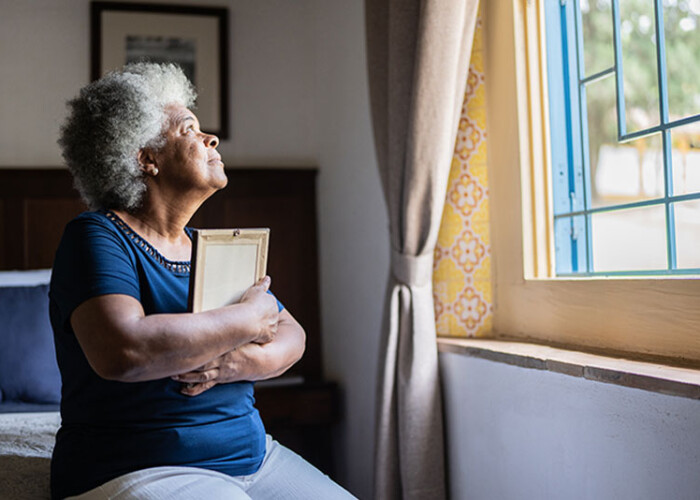
This checklist will help guide you through necessary steps after the death of a loved one.
After the death of a loved one, the grief can be all-encompassing, and the last thing you may feel ready to tackle is a series of responsibilities and tasks. Yet these steps are necessary to honor their memory, ensure their wishes are carried out, and settle their affairs. While the process may seem overwhelming, breaking it down into smaller, manageable actions can make it more bearable.
We’ve created a detailed guide to help you through this difficult time.
Immediate Actions
Obtain the Legal Pronouncement of Death: When a loved one passes away in a hospital or nursing home, the staff will automatically take care of this step. However, if the death occurs at home, call 911 to arrange transportation to the hospital where … Read More »
How to Handle Loss of Recognition in Dementia
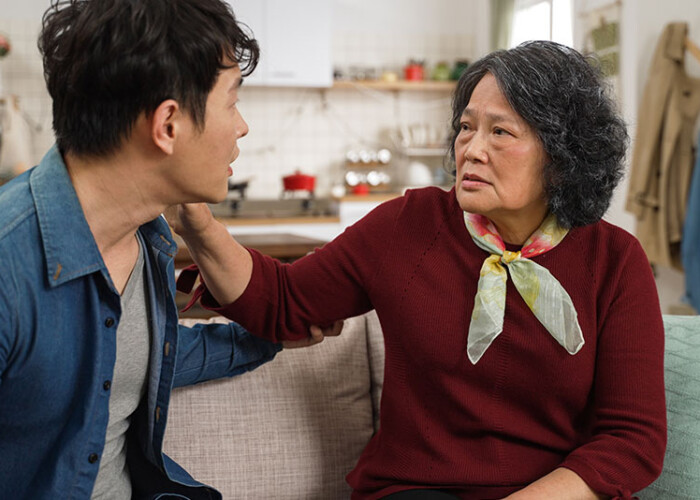
Loss of recognition in dementia is never easy to accept, but these tips will help.
You’ve been caring for your mom since her dementia diagnosis, doing your best to manage the ups and downs of the disease. One day, she looks at you with a blank stare or calls you by the name of someone else—a sibling, her spouse, or even her own parent. The sting of the loss of recognition in dementia is overwhelming. Should you correct her? Ignore it? Or embrace the new role she’s assigned you?
Recognition loss is one of dementia’s most heartbreaking effects. Watching someone you love struggle to connect the dots of who you are is never easy. However, how you respond in these moments can shape the interaction and bring peace to the person you love.
How to Respond to Recognition … Read More »
How to Be There for a Senior During a Temporary Assisted Living Stay

A temporary assisted living stay can be less overwhelming and more comfortable with these tips.
After a hospitalization or surgical procedure, the doctor may recommend a temporary assisted living stay before the person returns home. This is typically a short-term time of intensive therapy to promote healing and recovery. However, the thought of moving into a nursing home or assisted living facility even for a matter of weeks or months can be extremely difficult to accept.