
Search Results for "senior health"

What Is Senior Social Frailty and Who Is at Risk?
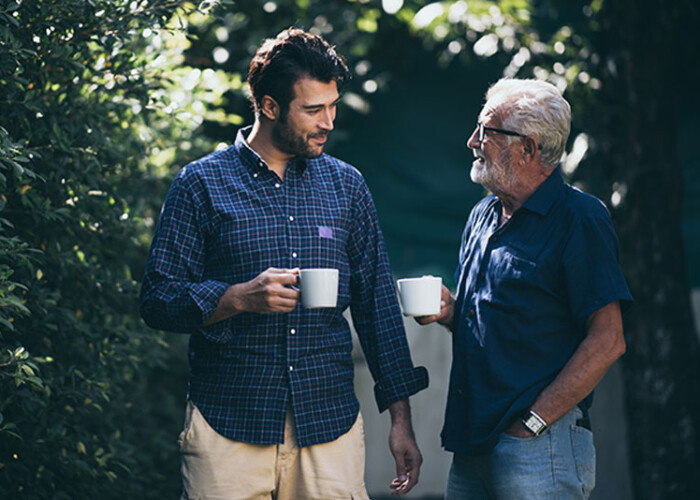
It’s easy for older adults to slip into spending too much time alone, which can lead to senior social frailty.
Not so long ago, we were all taking precautions to protect ourselves and loved ones from the spread of COVID-19. For older adults, who were especially vulnerable, this meant isolating at home and avoiding social interactions. While these measures were necessary for safety, they created a new norm of solitary living for many seniors—one that has persisted long after the height of the pandemic and is causing a condition known as senior social frailty.

Recognizing and Resolving Senior Anxiety
If you suspect senior anxiety in someone you love, help is available.
Does an older adult you care about seem more withdrawn, restless, or forgetful than usual? While these changes may appear to be part of aging, they might actually indicate something deeper: senior anxiety.
Anxiety is more than just occasional worry or stress. In older adults, it can manifest in subtle or unexpected ways, including:
Persistent, obsessive thoughts
Recurrent nightmares that disrupt sleep
Repetitive behaviors, like checking and re-checking that appliances are off
Physical symptoms, such as sweating, dizziness, or a racing heart
Overreactions to otherwise manageable stressors
What Contributes to Anxiety in Aging Adults?
Aging brings unique challenges that may contribute to anxiety, including:
Side effects from medications
Chronic illnesses or reduced mobility
Grieving the loss of a loved one
Concerns about declining independence or financial stability
Unresolved childhood trauma
These factors, combined with changes in … Read More »
How to Be There for a Senior During a Temporary Assisted Living Stay
A temporary assisted living stay can be less overwhelming and more comfortable with these tips.
After a hospitalization or surgical procedure, the doctor may recommend a temporary assisted living stay before the person returns home. This is typically a short-term time of intensive therapy to promote healing and recovery. However, the thought of moving into a nursing home or assisted living facility even for a matter of weeks or months can be extremely difficult to accept.
Healthy Ways to Manage Emotional Empathy for Caregivers
Balancing emotional empathy for caregivers can lead to healthier, more compassionate care for the person you love.
Empathy is, naturally, a crucial characteristic of effective caregiving. The ability to put yourself in another person’s shoes helps you to better meet their needs. However, there is a particular form of empathy you need to understand in order to guard your own health and wellness: emotional empathy for caregivers.
Emotional empathy takes caring to another level. Instead of simply understanding how another person is feeling, emotional empathy includes actually experiencing their feelings. For instance, if you’re someone who is highly emotionally empathetic, sitting beside a person who is crying will bring tears to your own eyes. If they’re in pain, you’ll also experience distress. You’re the type of person who will spring into action when someone has an immediate need.
Read More »
The Life-Changing Benefits of Purposeful Living for Seniors
Purposeful living for seniors opens new doors to health, happiness, and fulfillment each day.
What exactly is it that gets you out of bed every day? If you’re part of the sandwich generation, providing care for both older and younger loved ones, your list is probably quite extensive! As the nest empties, however, it becomes important to redefine our identity and learn new ways to bring meaning to every day.
Hidden Disabilities in Seniors: How to Recognize and Combat Ableism
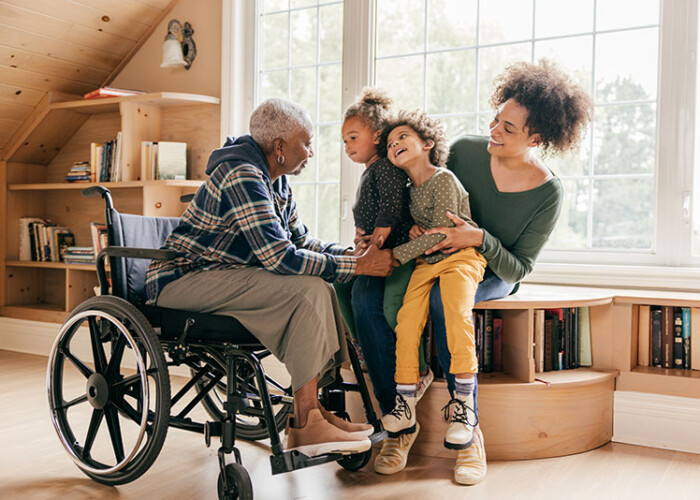
What’s your first thought when you see an individual in a wheelchair? Do you view that person as less-than, someone in need of being fixed? Do you assume they need special treatment, as though a physical disability impacts intellect as well? How does your thinking shift to see someone standing upright, without the need for a wheelchair; would you think they were better-abled than the wheelchair-bound older adult?
These are tough questions that call for honest answers if we’re to understand and respond accordingly to hidden disabilities in seniors and ableism.
What Is Ableism?
Ableism is identified as “the discrimination of and social prejudice against people with disabilities based on the belief that typical abilities are superior.” It leads to harmful misconceptions and stereotypes.
The Two Sides of the Disability Coin
Individuals with visible disabilities encounter ableism in many … Read More »
Supporting Mental Health in Aging Parents and Breaking the Stigma
Supporting mental health in aging parents starts with recognizing the signs and addressing the stigma around mental health care.
Mental health is a critical aspect of well-being throughout life, and it becomes even more significant as our parents grow older. For many older adults, however, talking about mental health can be especially difficult due to ingrained stigmas and the values they were raised with. It’s important to understand why older loved ones might be hesitant to discuss mental health and to recognize the signs that they might be struggling. This knowledge can guide you in supporting mental health in aging parents to ensure they receive the support and care they need.
Noticing Changes in a Senior’s Eating Behaviors? Here’s Why.
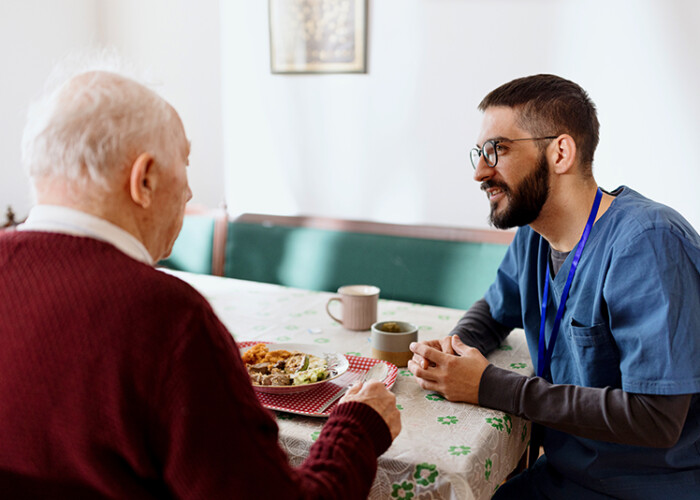
There are a number of reasons that could be causing changes in a senior’s eating behaviors.
Following the indulgence of the holiday season, many of us decide to cut back on consumption of calories. But when an older adult does not want to eat altogether, or is making unbalanced or unhealthy dietary choices, it’s important to look for the reason behind changes in a senior’s eating behaviors. This is a first and crucial step in promoting healthier eating habits.
Steps to Boost Socialization for Introverted Seniors
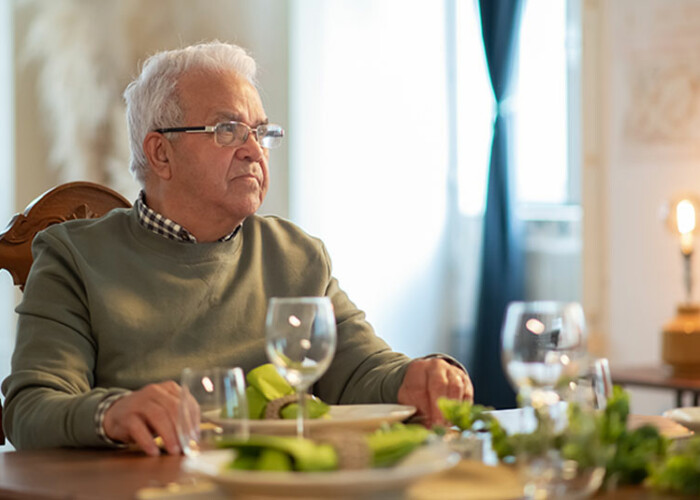
Try these creative ideas to improve socialization for introverted seniors.
Prepare yourself…the holidays will be here before we know it! Although there are plenty of people who flourish on the hectic pace of celebrations and parties, there are others who balk at the thought of going outside of their comfort zone and into more intensive social obligations. It may simply come down to one integral difference: introversion vs. extroversion. And it is important to know which distinction the seniors in your life lean towards more. Socialization for introverted seniors is just as important as for extroverted seniors, and finding the right type of socialization to help them feel most comfortable is key.
The Incredible Benefits of Hugs for Seniors

The benefits of hugs for seniors may surprise you!
Remember during the height of the pandemic, when social distancing was the norm and we needed to be satisfied with virtual visits? One of the most basic aspects of being a human – physical touch – was put aside in order to protect us all from harm.